
Hot-Dip Galvanizing (Substance) VS Powder Coat or Paint (Style)
One of the most surprising findings from PT&P’s extensive experience conducting more than 1,000 plant audits is the frequency of corrosion problems associated with painted and powder-coated pipe supports. While paint and powder coating can provide an attractive finish and a wide range of color options, appearance often comes at the expense of long-term corrosion protection.
In many industrial environments, the choice between paint and hot-dip galvanizing (HDG) is not simply a cosmetic decision—it is a decision that can significantly affect equipment reliability, maintenance costs, and service life.
PRODUCT LINEUP
Pipe supports, spring hangers, expansion joints, all engineered to specifications
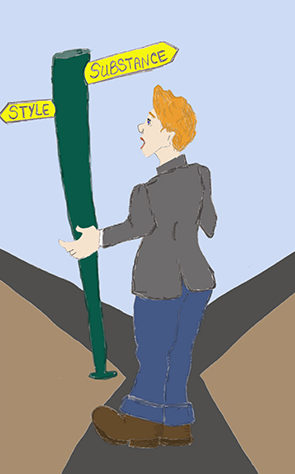 |
Figure 1 – Pictures of New Galvanized Pipe and Painted Steel Pipe
|
|||
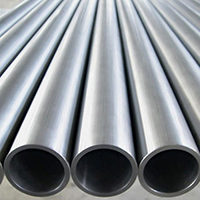
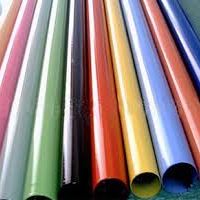
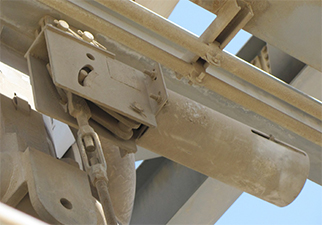
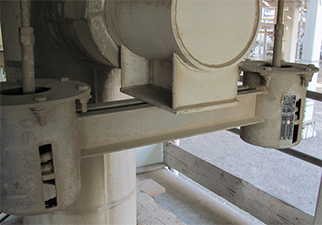
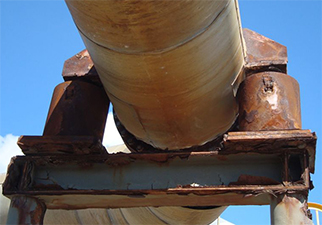
Figure 2 – Pictures of 25-Year-Old HDG Support VS. 8-Year-Old Painted Support
 |
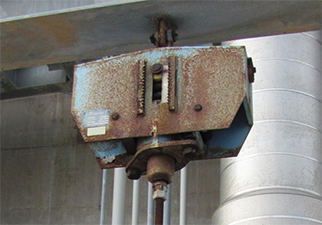 |
| PT&P Hot-dipped Galvanized Support 25 Years In-Service in Dubai – Salt Air from Persian Gulf – 100 Sandstorms per Year |
NON-PT&P Painted Support 8 Years In-Service in Texas Salt Air From Gulf Coast |
When Paint May Be Appropriate
Although hot-dip galvanizing is generally the preferred solution for structural steel and pipe supports, paint does offer advantages in certain applications:
- When aesthetics and color selection are important
- When working with thin-gauge steel that may distort during galvanizing
- When minimizing initial cost is the primary objective
- When galvanizing is impractical due to component size or configuration
However, these advantages should be weighed against the increased maintenance and reduced service life often associated with painted systems.
 |
 |
| PT&P Hot-dipped Galvanized Support 25 Years In-Service |
NON-PT&P Painted Support 8 Years In-Service in Louisiana |
The most important distinction between the two protection methods lies in how they protect the steel.
Paint and Powder Coating: Barrier Protection
Paint and powder coating function solely as barrier coatings. They create a physical layer that separates the steel from moisture and oxygen in the environment. As long as this barrier remains intact, corrosion is minimized.
However, if the coating is scratched, chipped, or damaged during transportation, installation, maintenance, or normal plant operation, moisture can reach the steel surface and corrosion begins. Once corrosion starts beneath the coating, rust can spread and lift the paint away from the surface, accelerating deterioration.
Hot-Dip Galvanizing: Barrier and Cathodic Protection
Hot-dip galvanizing provides both barrier protection and cathodic protection.
During the galvanizing process, molten zinc reacts metallurgically with the steel surface to create multiple alloy layers consisting of zinc and iron. This is not simply a coating applied to the surface—it is a metallurgical bond between the zinc and steel.
More importantly, zinc acts as a sacrificial anode. Because zinc gives up electrons more readily than steel, it corrodes preferentially and protects the underlying steel from corrosion. Even if the galvanized surface is scratched or damaged, the surrounding zinc continues to protect exposed steel through cathodic action.
This sacrificial protection is a key advantage that paint and powder coating cannot provide.
Any coating which provides a barrier to the moisture and oxygen in the air will help protect carbon steel from corrosion. A properly painted surface will provide a barrier, but it is subject to scratching from contact with hard objects.
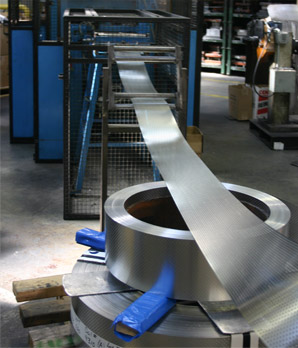
Figure 3 – Picture of Thin Gauge Steel Better Suited to Painting
Any coating which provides a barrier to the moisture and oxygen in the air will help protect carbon steel from corrosion. A properly painted surface will provide a barrier, but it is subject to scratching from contact with hard objects.
Figure 4 – Illustrates how rust can grow and damage a painted surface when corrosion begins because the paint barrier is broken by a scratch.
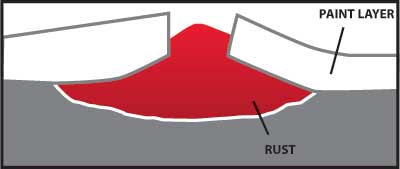
Figure 5 – HDG vs Organic Coatings (from German Technical Presentation)
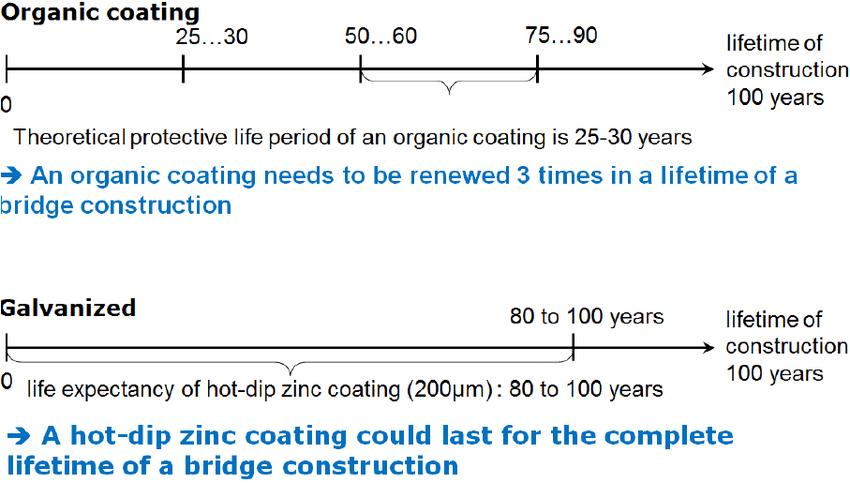
Source: Conference Paper on Galvanizing of highway and railway bridge constructions for Dynamic Loads (Germany) by M.Oechsner Technische Universität Darmstadt, Fabrian Simonsen EJOT Tambach GmbH, Dieter Ungermann Technische Universität Dortmund, Dennis Rademacher ArcelorMittal Europe.
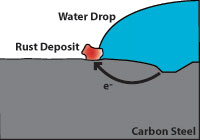
Figure 6 indicates how corrosion damages carbon steel. Note that the pitted area to the right is anodic and gives up electrons while the cathodic area to the left (where water and oxygen from the air are present) is where rust appears. The pitted area where the carbon steel is weakened is not where the rust appears.
Zinc has a greater tendency to give up electrons than carbon steel, so when both are present, zinc becomes the anode and protects the carbon steel.
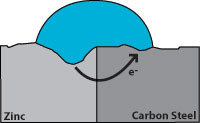
Figure 7 indicates corrosion with the zinc giving up the electrons and becoming pitted while the carbon steel remains undamaged. From this, we see that a zinc coating will protect carbon steel by “sacrificing” itself until the zinc is depleted. The rate of zinc depletion is relatively slow when the pH of the electrolyte is between 4 and 13.
HDG Corrosion Benefits
The following are the benefits of HDG for corrosion protection:
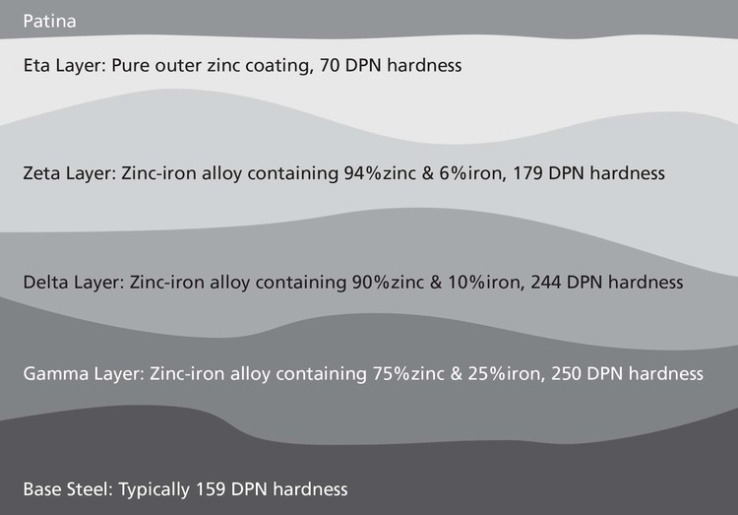
Abrasion Resistance – HDG is not one layer of coating but actually 4 layers of coating with different properties and different combinations of zinc and steel. The top layer is 100% Zn with a 70 DPN harness. Each layer closer to the base steel has an increasing level of hardness all the way to the Gamma Layer which is 75%Zn, 25% Fe and has a hardness of 250 DPN which is harder than the base steel which has a 159 DPN hardness.
Figure 8 – Layers of Hot-Dip Galvanizing and Associated Hardness
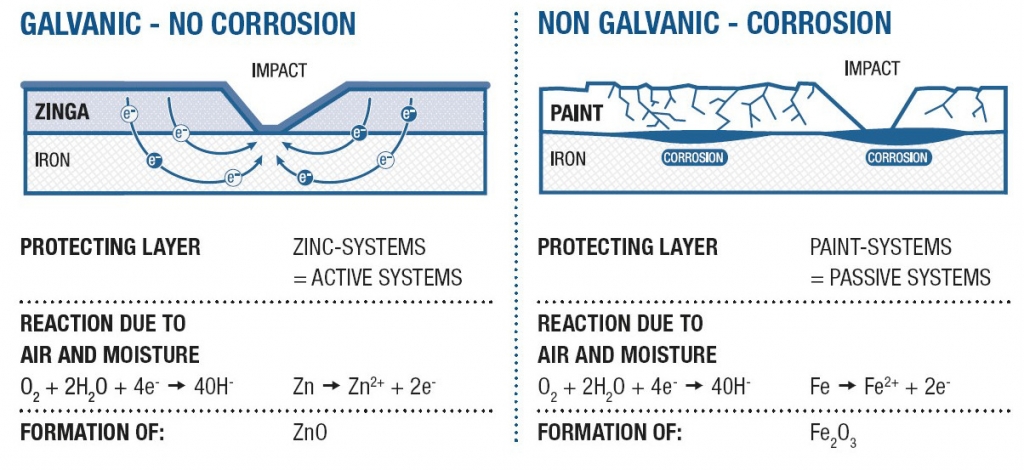
Cathodic Protection – A protection aspect of HDG that cannot be replicated with a simple coating such as paint is the cathodic protection of zinc. Salt water acts as an electrolyte between zinc and steel in an electrochemical circuit with zinc acting as the anode and steel as the cathode. As a result, steel is protected from corrosion until the Zinc is fully consumed. This means even exposed steel will be protected from corrosion by the zinc around the steel. Cathodic protection is important enough to be required on some Piping systems by Federal code.
Figure 9 – Cathodic Protection of HDG VS Paint
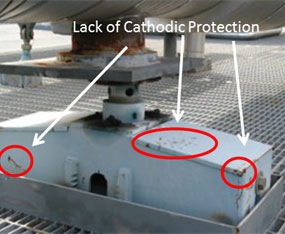
Below are examples of a painted pipe support with initial corrosion due to lacking cathodic protection, and a picture of deterioration once the initial corrosion has taken hold. As you can see, any pinhole, scratch, or nick will set off a corrosion process. Our experience has been from the time of manufacture, many areas are vulnerable to some damage to the surface coat during either construction or post turnover. This is devastating for a painted finish.
Figure 10 – Real World Example of Paint and Lack of Cathodic Protection
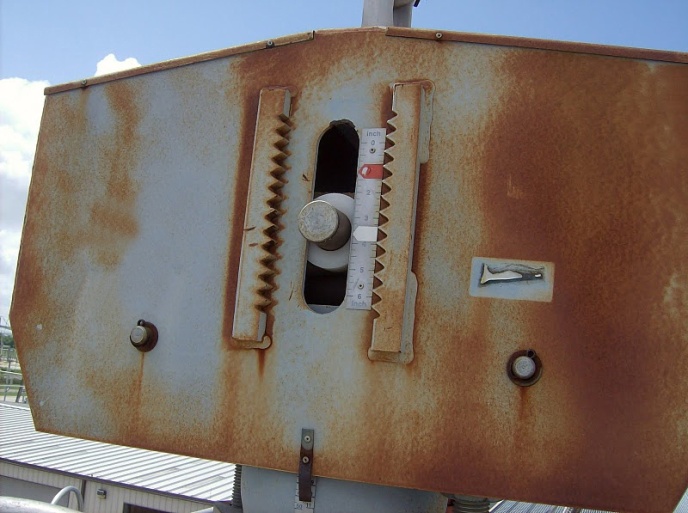
At Piping Technology and Products Inc., many customers have returned painted variable and constant spring supports which could no longer function due to corrosion. Costs must be considered during the specification of coatings for pipe supports. The owner and operator of a facility should consider life-cycle costs. Pipe supports are usually a relatively small percentage of the total cost of installing and operating a power plant, petrochemical plant, paper mill or other major facility. The small additional cost of hot-dip galvanizing the carbon steel components of pipe supports is most always a wise investment.
Figure 11 – Real World Examples of HDG VS. Paint / Lack of Cathodic Protection
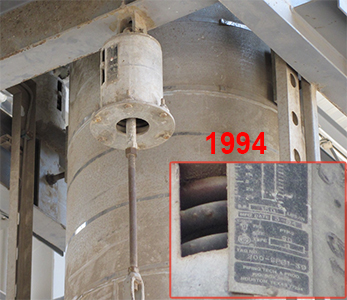
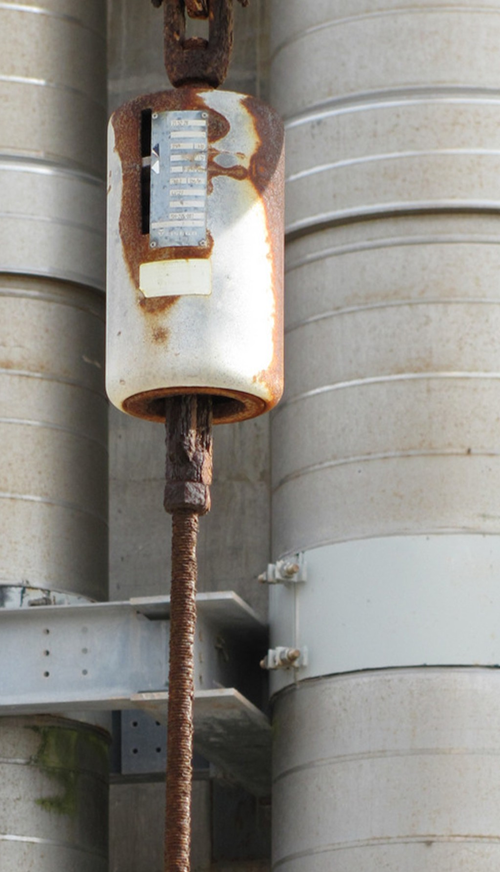
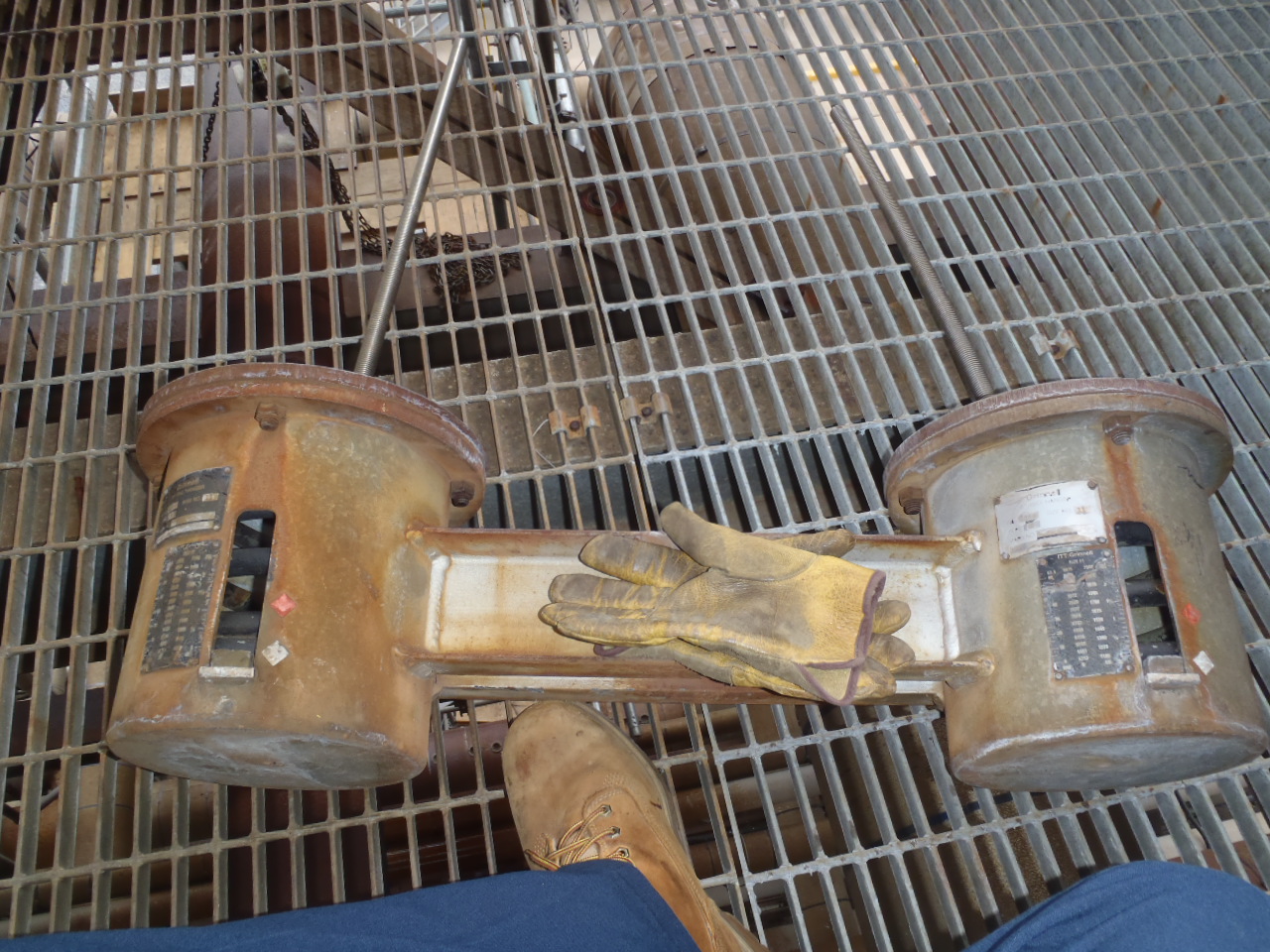
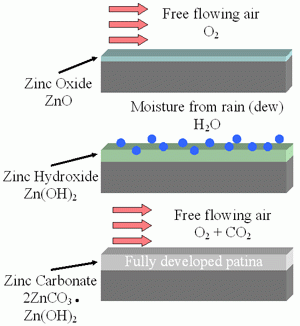
Zinc Patina – As zinc is initially exposed to moisture, it reacts with water to form a porous layer of Zinc Hydroxide. As the material dries, it converts to a thin layer of zinc carbonate that is a passive, stable film that is not water soluble. The process of zinc patina formation takes approximately 6-12 months from the time of hot-dip galvanizing. This layer of zinc patina turns matte gray in color and significantly slows the rate of corrosion. The zinc patina is one of the reasons that the salt spray test is a very poor indicator of the benefit of galvanizing as keeping galvanized material wet does not allow for the formation of zinc patina.
Figure 12 – Formation of Water Insoluble Zinc Carbonate Surface Layer
Summary
Hot-dip galvanizing is generally the superior corrosion protection system for carbon steel pipe supports and structural steel components. Unlike paint and powder coating, galvanizing provides both barrier protection and sacrificial cathodic protection, allowing it to continue protecting steel even when the surface is damaged.
While paint remains useful for applications involving thin-gauge materials or where appearance is a primary consideration, facility owners and operators should evaluate corrosion protection methods based on total life-cycle cost rather than initial purchase price alone.
For most industrial pipe support applications, hot-dip galvanizing remains one of the most effective and economical long-term corrosion protection solutions available.