Industrial piping systems operate under constantly changing conditions. Pressure, temperature fluctuations, vibration, weight, thermal expansion, and external loads all influence how a piping system behaves throughout its operating life.
While piping may appear stationary, it is continuously responding to operating conditions. As systems heat up, cool down, start up, or shut down, the piping expands, contracts, and transfers loads throughout the system. When these movements and forces are not properly evaluated, they can create a range of operational challenges, from excessive stress and vibration to support failures and unplanned downtime.
This is why Pipe Stress Analysis (PSA) plays such a critical role in modern piping system design.
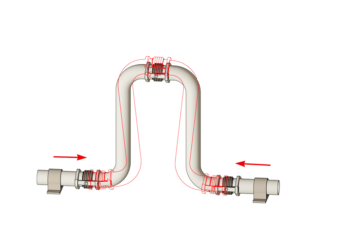
The Purpose of Pipe Stress Analysis
Pipe Stress Analysis provides the engineering foundation for designing piping systems that are safe, reliable, and efficient. By evaluating how a system will respond under actual operating conditions, engineers can better understand:
- System movement and flexibility
- Load distribution throughout the piping network
- Interactions between piping and connected equipment
- Potential areas of concern before installation or operation
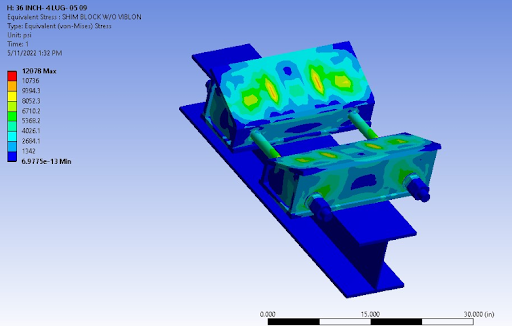
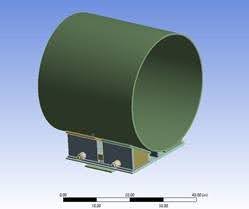
These evaluations are typically performed using industry-leading software that helps engineers model real-world operating conditions. Rather than reacting to problems in the field, PSA enables engineering teams to address them during the design phase, thereby improving overall system performance while reducing operational risk.
Supporting Better Engineering Decisions
Beyond identifying potential stress concerns, Pipe Stress Analysis helps engineers optimize piping systems early in the project lifecycle.
By evaluating piping layouts, support configurations, system flexibility, and load paths, engineers can make informed decisions that support both performance and constructability.
The result is a more efficient design process that can help:
- Reduce unnecessary supports
- Minimise field modifications
- Improve constructability
- Enhance overall system performance
These benefits contribute directly to improved project execution and long-term operational reliability.
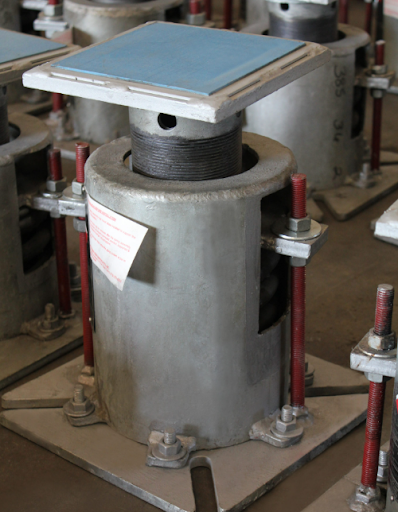
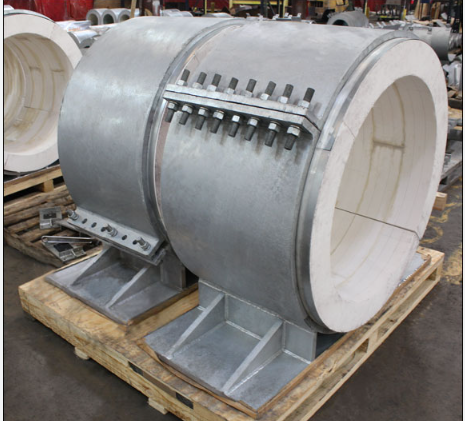
The Connection Between Stress Analysis and Pipe Supports
One of the most important outcomes of Pipe Stress Analysis is determining how a piping system should be supported.
Pipe supports are not selected based on preference or convenience. Their location, type, and function are developed based on the analysis results and the system’s movement characteristics.
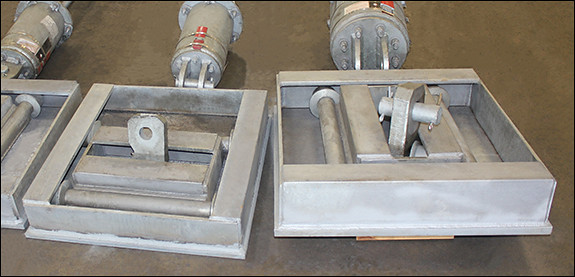
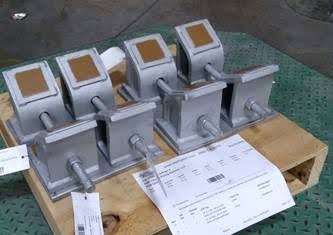
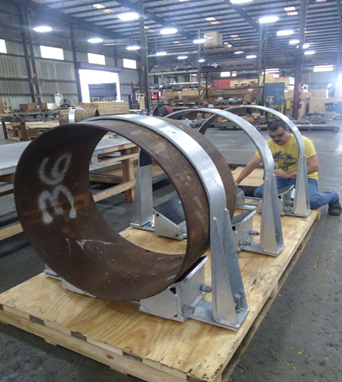
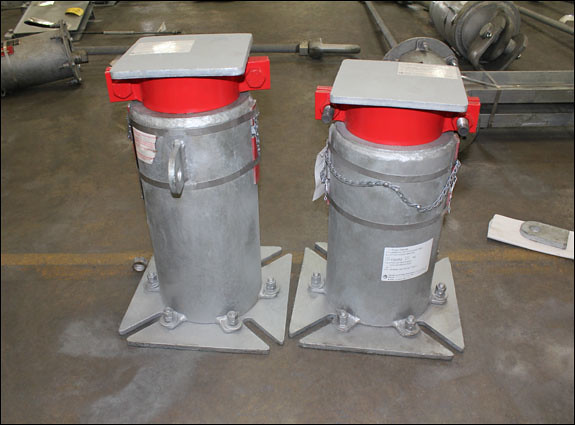
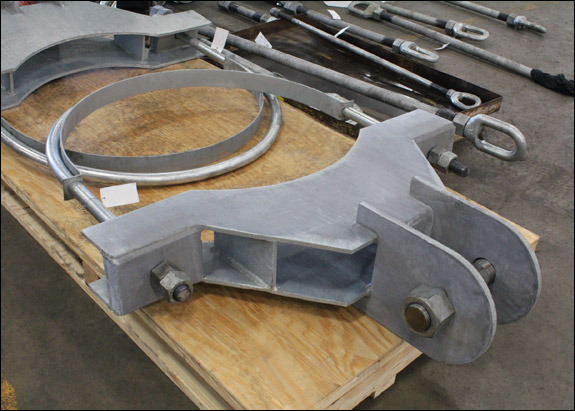
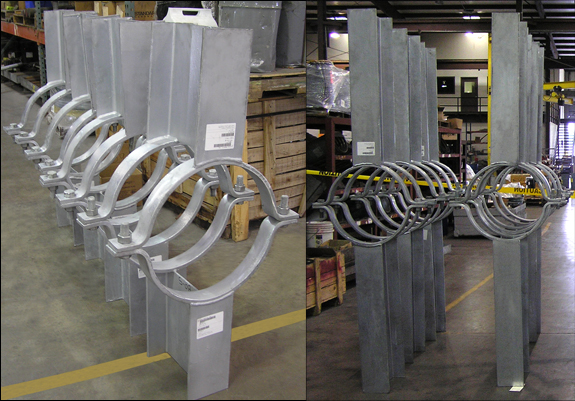
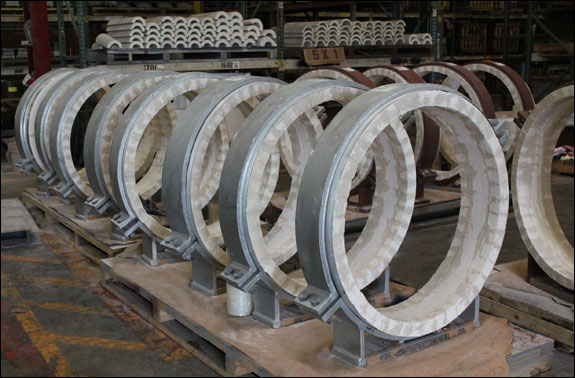
The analysis helps engineers determine where support solutions such as guides, anchors, spring supports, restraints, and other specialised configurations may be required to manage movement while maintaining system flexibility properly.
Because of this relationship, properly engineered pipe supports play a direct role in:
- Maintaining piping system reliability
- Protecting connected equipment
- Supporting long-term operating performance
- Preserving overall system integrity
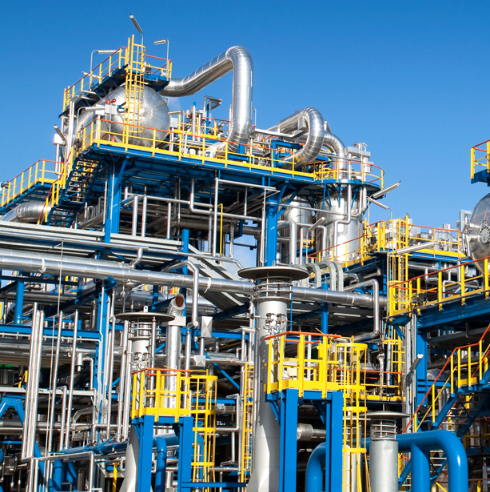
Applications Across Multiple Industries
Pipe Stress Analysis is widely applied across industries where piping systems operate under demanding conditions.
Common applications include:
- Oil & Gas
- Petrochemical
- Power Generation
- Pharmaceutical
- Process Plants
- Data Centers
- Industrial Construction
The value of Pipe Stress Analysis extends beyond stress engineers alone. Project managers, EPC firms, contractors, procurement teams, and facility owners all benefit from a clearer understanding of how piping systems will perform throughout their service life.
Supporting Compliance and Reliability
In addition to improving system performance, Pipe Stress Analysis helps ensure compliance with applicable industry codes and standards, including ASME, API, and other governing design requirements commonly used throughout industrial facilities.
Meeting these requirements is an important part of maintaining system safety, supporting operational performance, and ensuring long-term serviceability.
Value Beyond New Construction
Although Pipe Stress Analysis is commonly associated with the design and construction phase of a project, its value extends well beyond new installations.
For operating facilities, PSA can be used to evaluate modifications, investigate recurring issues, and identify the root causes of problems, such as:
- Excessive vibration
- Thermal movement concerns
- Recurring support failures
- Equipment loading issues
This insight allows facility teams to better understand system behaviour and make informed decisions when addressing operational challenges. For those responsible for day-to-day facility performance, understanding why pipe stress analysis matters for plant operations can help support safer and more reliable system management.
Closing Lines
Pipe Stress Analysis is far more than a design calculation. It is a critical engineering evaluation that influences piping system safety, reliability, support design, and long-term performance.
By providing a deeper understanding of how piping systems respond to real-world operating conditions, PSA helps engineers make informed decisions that support both project success and operational reliability.
With extensive experience supporting a wide range of industrial applications, PT&P continues to provide engineered piping and pipe support solutions backed by practical analysis and real-world operating experience.
Read More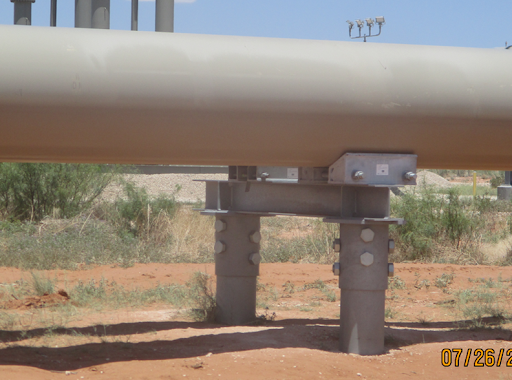

 In 1989, when Dolores Anderson walked into Piping Technology & Products’ Long Drive location for her first real job, the accounting office was literally a converted house. The company was smaller, invoices were on paper, and “paperless” wasn’t even a buzzword yet.