
Differences Between Standard Springs and Furnace Springs
The primary differences between standard variable spring supports and furnace springs are found in their construction, coatings, and intended service conditions. Furnace springs function similarly to other variable spring supports in that they support piping or tubing subjected to vertical thermal movement. However, furnace spring assemblies require specialized design features because they operate in extreme temperature environments.
Coatings
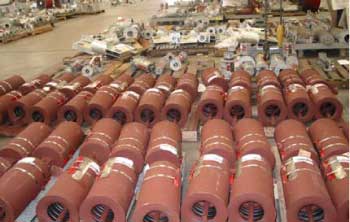
Furnace springs are typically coated with red oxide primer to reduce potential hazards when exposed to elevated temperatures. Standard spring supports are commonly hot-dip galvanized, but when subjected to high temperatures, the zinc coating can melt. Molten zinc may cause damage to surrounding piping, equipment, or furnace components, making galvanizing unsuitable for furnace service.
| FURNACE SPRINGS | STANDARD SPRINGS | |
| COATINGS | Red oxide primer in order to avoid potential hazards when exposed to high temperatures. | Hot dipped galvanized which tends to melt the zinc coating. Molten zinc can damage surrounding pipe and equipment. |
| CONSTRUCTION | • Unique to its application and intended use • Welded design for housing assembly • Centers the spring coils within the housing and accommodates lug attachments |
• Interchangeable • Bolted configuration for the housing |
| DESIGN | Spring used as a means to determine the loading of the catalyst tubes |
Construction
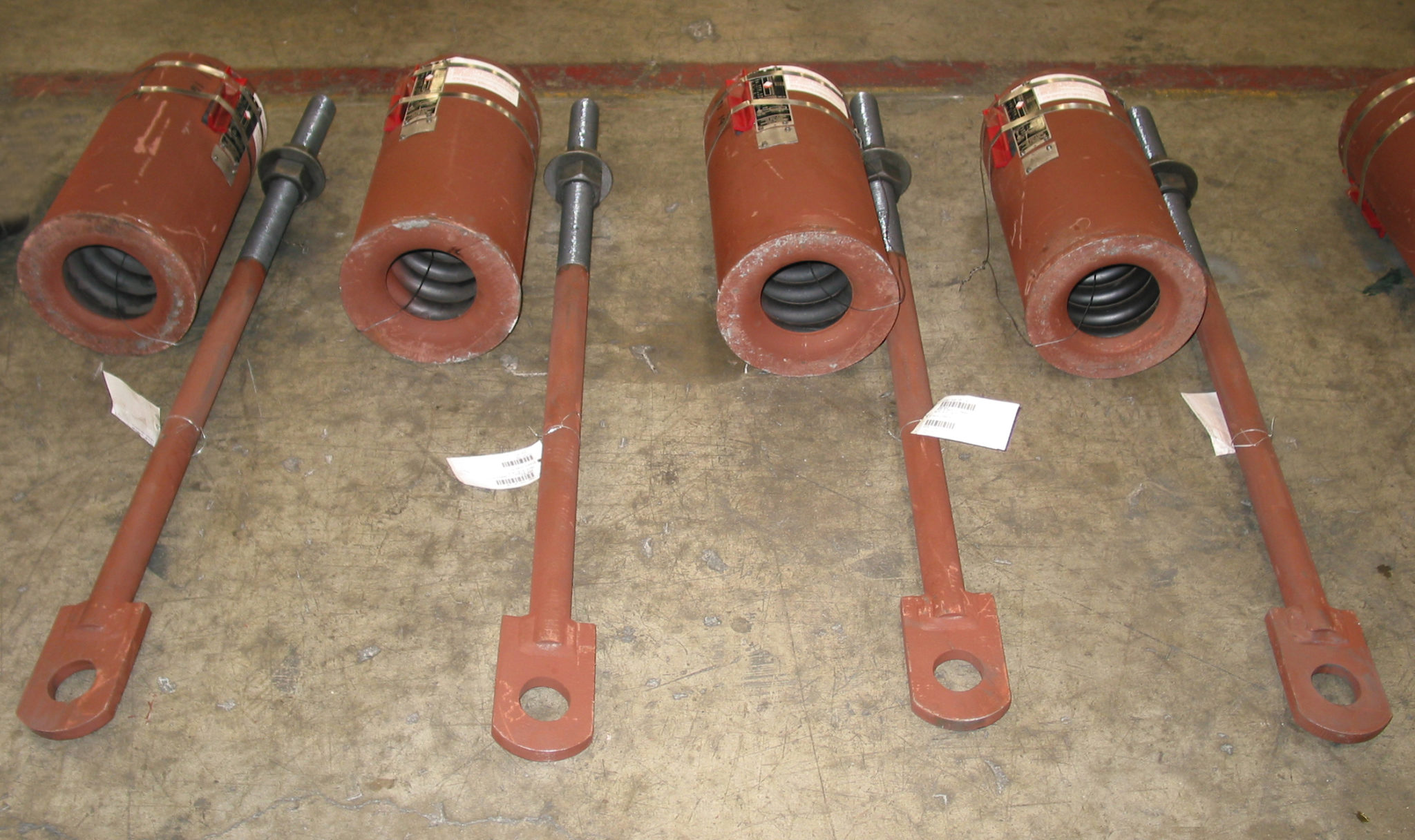
Unlike standard variable spring supports—where many components are interchangeable—furnace spring assemblies are manufactured using components specifically designed for high-temperature applications. Furnace springs typically utilize a welded housing design, whereas standard spring housings often use a bolted configuration.
Additionally, furnace spring internal components are designed to properly center the spring coil within the housing to prevent misalignment during operation. The housing is also frequently modified to accommodate lug attachments found on existing furnace tubing and equipment. Depending on travel requirements and operating conditions, furnace spring assemblies may include special fabricated casings, custom spring coils, and high-temperature nameplates.
Design
Some furnace springs are designed to function as a “weight scale” to determine the loading of catalyst tubes. In these applications, the spring rate for each assembly is precisely measured. The exact spring rate—which may vary slightly from published values—can then be used to calculate the tubing system weight and properly balance the unit.