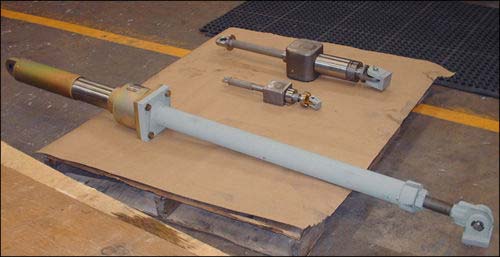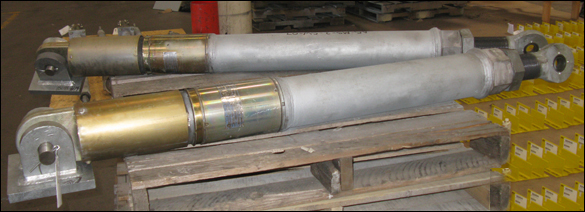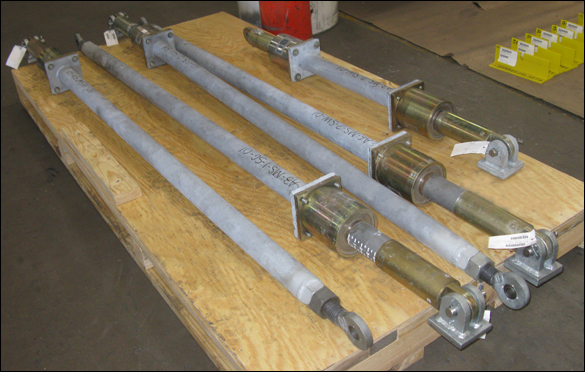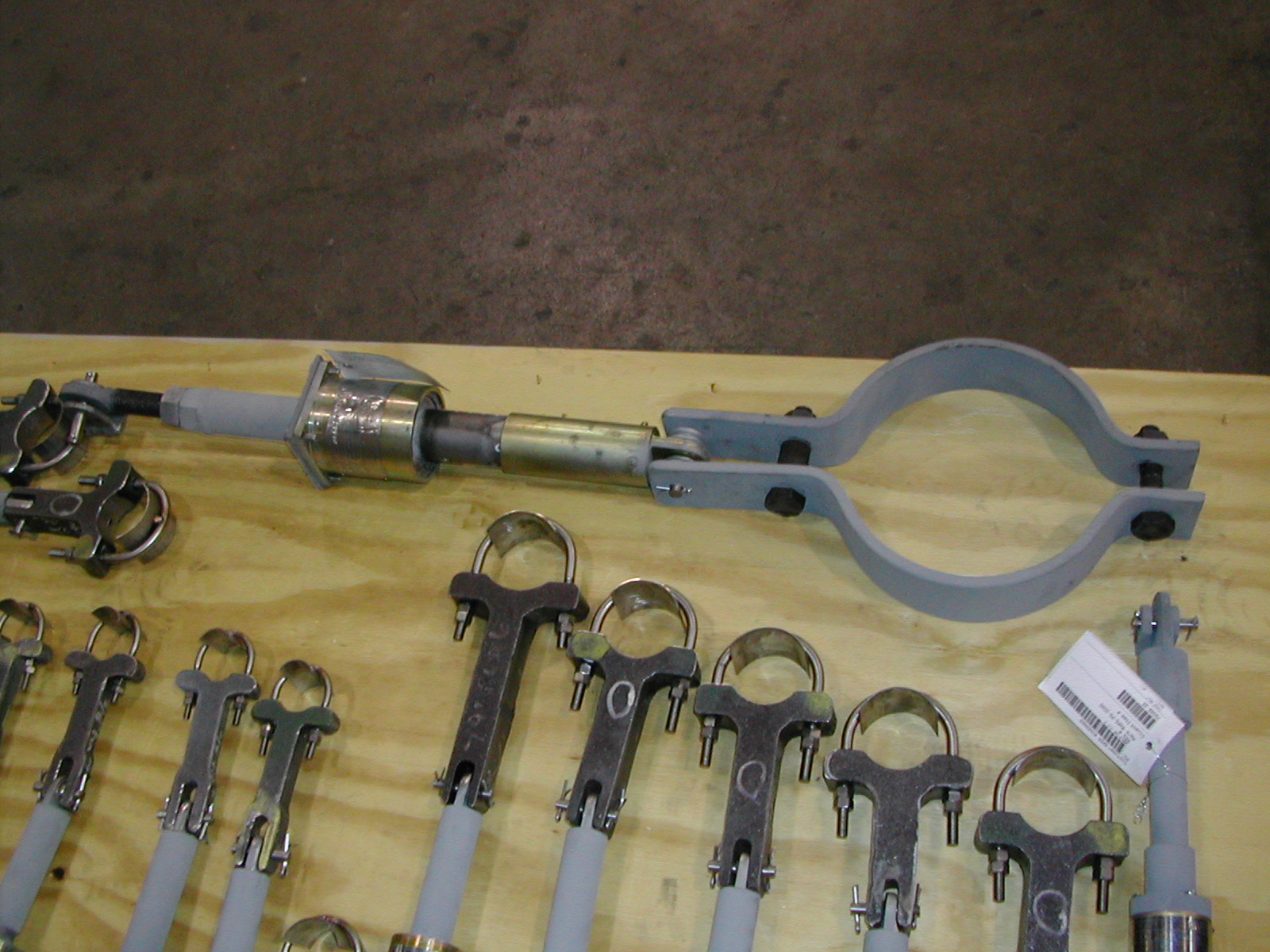
Mechanical Snubbers

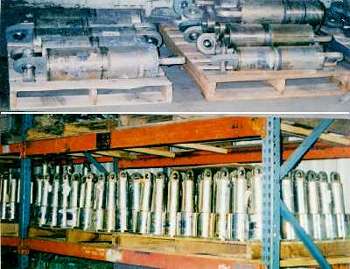
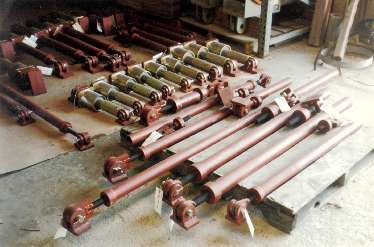
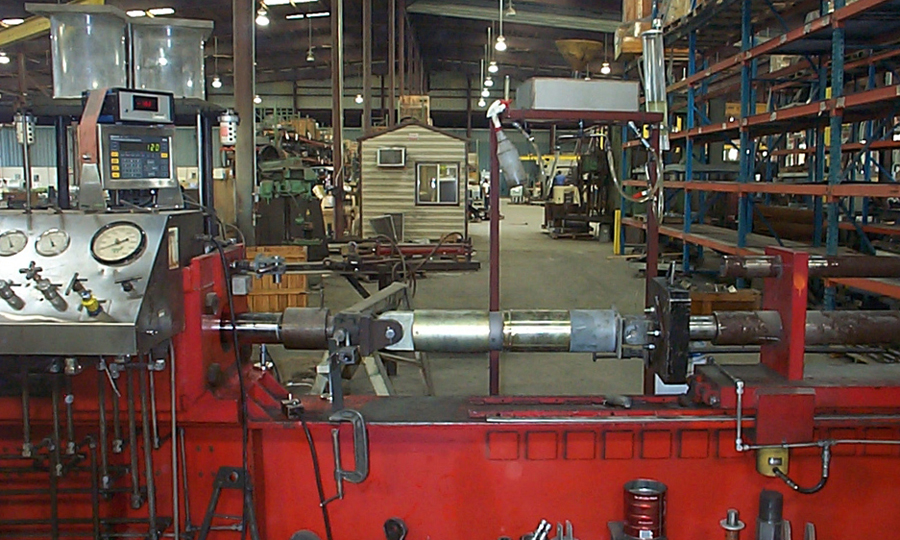
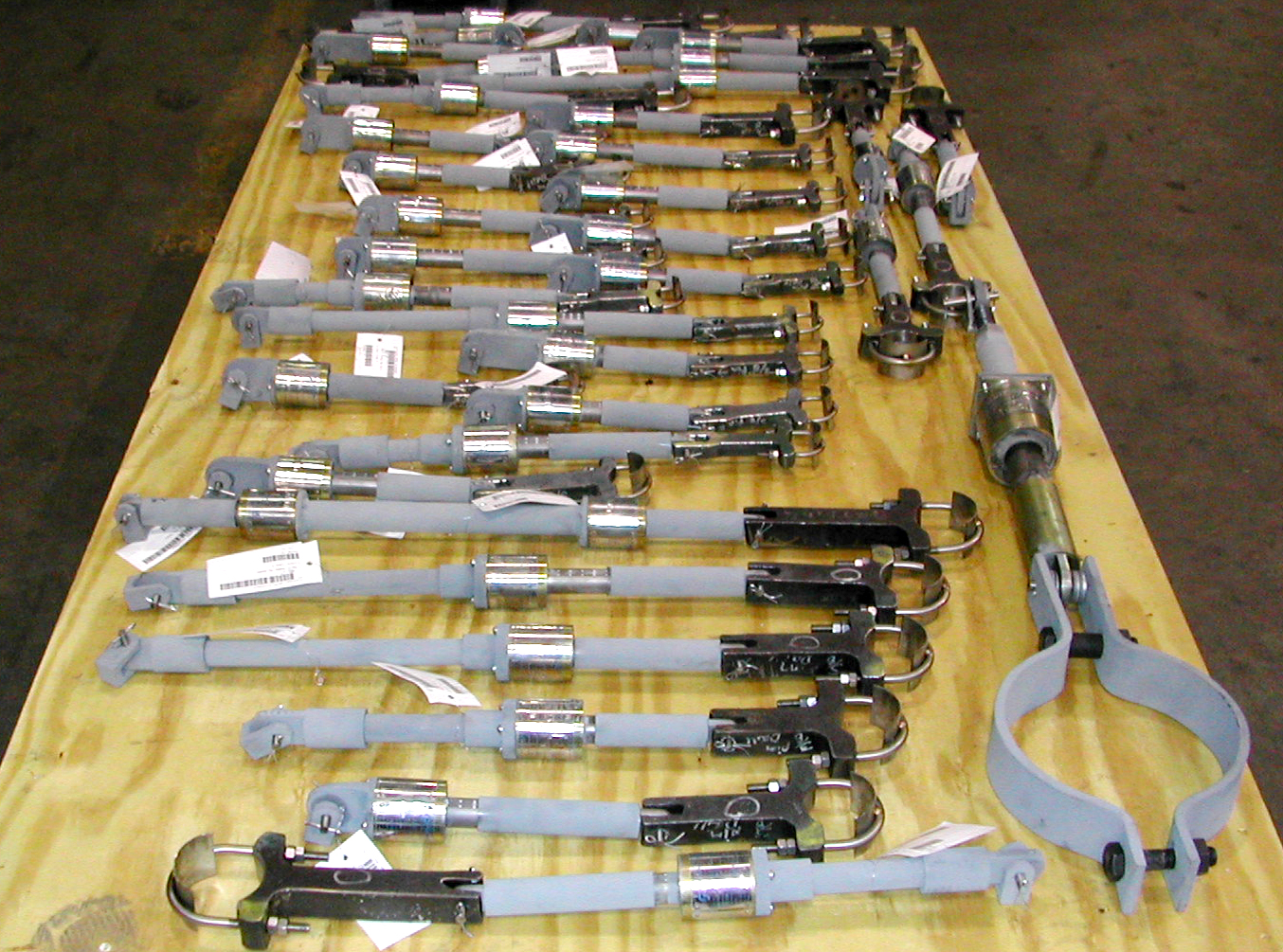
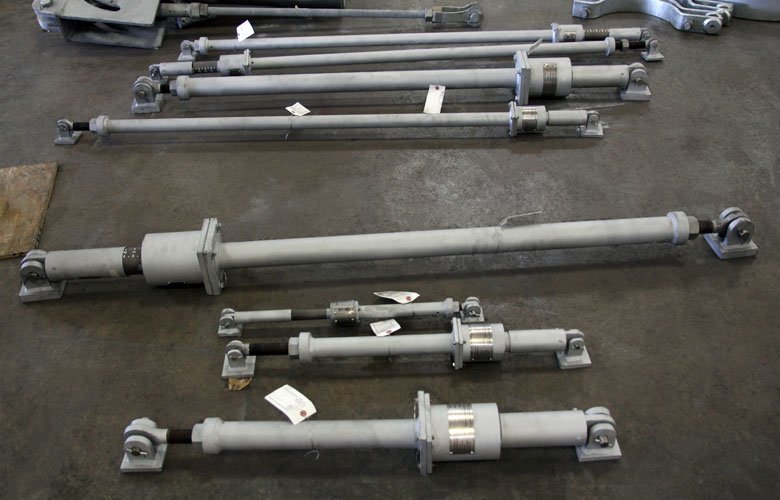
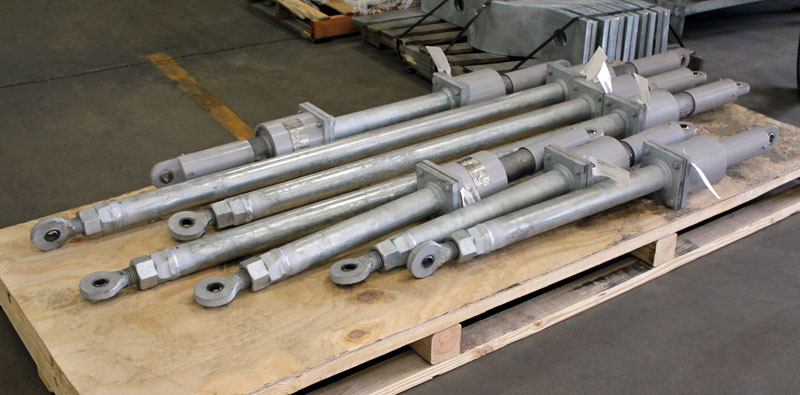
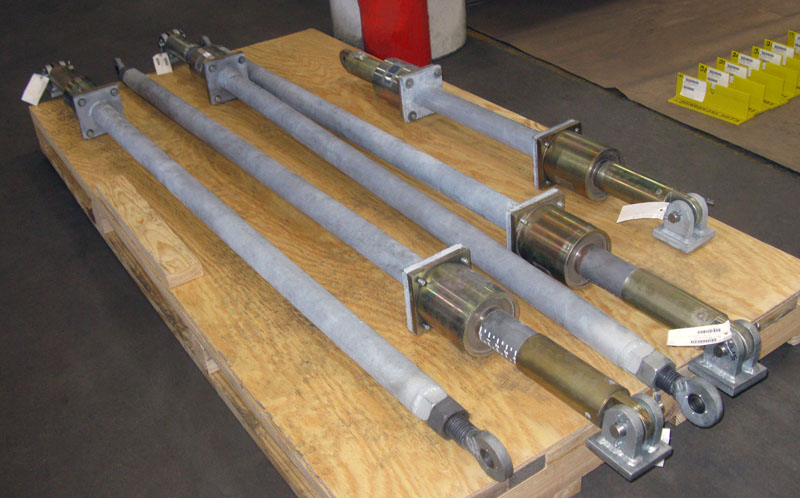
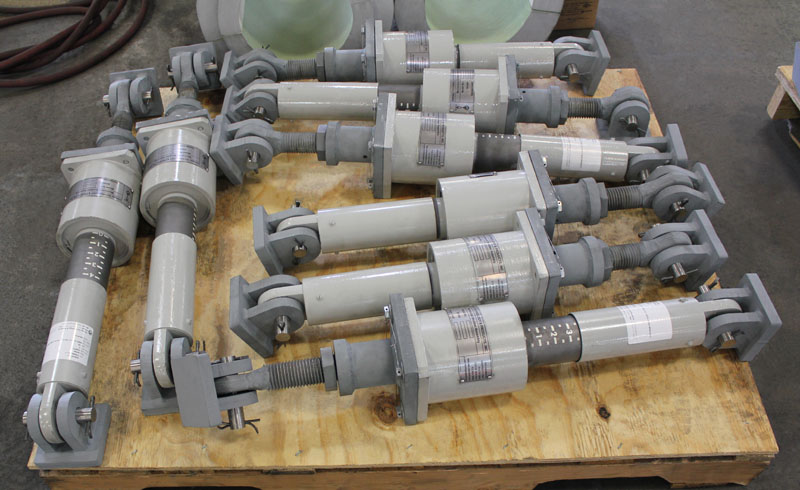
Our inventory of mechanical snubber assemblies, through our subsidiary Fronek, provides essential protection for industrial piping systems subjected to sudden dynamic loads, including seismic events, fluid hammer, and turbine trips. Unlike rigid restraints, snubbers are designed to allow gradual thermal expansion of the pipe during normal operation while automatically locking into a rigid support under shock conditions.

Incorporating snubbers into piping designs ensures critical infrastructure remains secure against vibration and impact without compromising the necessary flexibility for thermal expansion. We offer a wide range of sizes and configurations to accommodate various snubber pipe attachment requirements, ensuring compliance with stringent nuclear and industrial safety standards.

Ammonia Plant
Chemical Plant
Clean Fuels
Commercial

Electric Plant
Energy Facility
Ethylene Plant
LLDPE Chemical Plant

LNG Plant
MTBE Plant
Natural Gas Combined Cycle Facility
Natural Gas Processing & Separation

Oil Refinery
Oil Sand Mine
Paper Manufacturer
See All

See More Images

Q: What is the primary function of a mechanical snubber? 

A: The primary function of a mechanical snubber is to act as a dynamic restraint. It allows free, slow movement due to thermal expansion or contraction, but immediately locks the system in place when subjected to rapid acceleration or shock.


Q: Why are snubbers in piping systems preferred over rigid struts for certain applications? 

A: Snubbers in piping systems are preferred when the pipe must accommodate thermal expansion and contraction during normal operation. A rigid strut would restrict this thermal movement, potentially creating excessive stress and leading to system damage or failure. Snubbers allow slow thermal movement but automatically lock to provide rigid restraint during sudden dynamic events such as seismic activity, fluid hammer, or equipment trips.


Q: How does a mechanical snubber attach to the pipe? 

A: A mechanical snubber is typically attached to the piping system using a specialized snubber pipe clamp or a welded lug. These attachment points allow the snubber to effectively transfer dynamic loads from the pipe to the supporting structure, helping protect the piping system during sudden shock events.


Q: Does a mechanical snubber typically require fluid maintenance?

A: No. Unlike hydraulic units, a mechanical snubber operates on a purely mechanical braking mechanism (often using a capstan spring or a telescoping design). Because no hydraulic fluid is used, there is no risk of leakage, resulting in lower maintenance requirements and improved long-term reliability for mechanical snubbers.


Q: What is the difference between a sway brace and a snubber? 

A: A sway brace is typically a spring-loaded device that continuously provides a restoring force to keep the pipe centered and resist movement.  In contrast, a mechanical snubber offers little to no resistance during slow thermal movement and only engages a locking mechanism when rapid velocity or acceleration changes occur, such as during seismic events or fluid hammer.


Q: Can I use a mechanical snubber for high-temperature applications? 

A: Yes, mechanical snubber units are often preferred in high-temperature environments, such as power plants, because they do not contain hydraulic fluids that can degrade or pose a fire hazard. However, the connection to the snubber pipe clamp often requires a standoff or insulation to keep the unit within its rated temperature limits.

More FAQs…

Top