
Data Center Cold Piping: Preventing Condensation and CUI with the Best Insulation and Pipe Supports
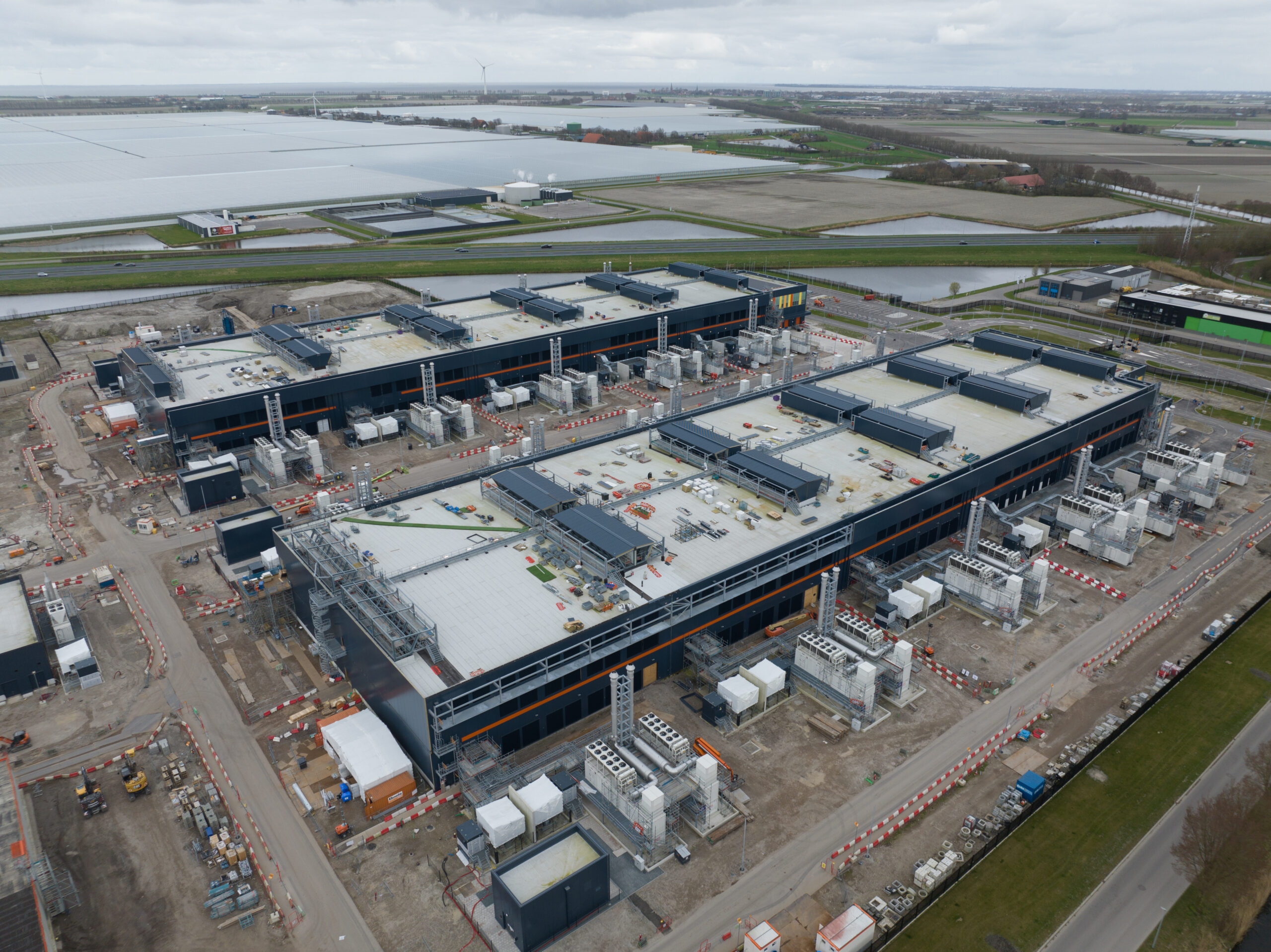
In a data center, chilled water or cold piping is the lifeline of the cooling infrastructure, directly affecting thermal stability, energy efficiency, and operational uptime. The challenge is in maintaining the pipe’s low temperature while navigating high ambient humidity. Selecting the best-fit insulation material and a thermally efficient pipe support system isn’t just best practice—it’s essential to preventing devastating problems like condensation, corrosion under insulation (CUI), and system failure. This article explores the best materials and support strategies to ensure your cold piping remains a reliable, high-performance asset.
Essential Materials: Closed-Cell Insulation and Insulated Cold Shoes for Chilled Water System Reliability
The primary enemies of cold piping are condensation and thermal heat gain. When chilled water is exposed to warm, humid data center air, moisture condenses on the pipe surface if its temperature drops below the dew point.
- Condensation: Water is corrosive, and drips can damage sensitive electronic equipment, leading to costly outages. Even more insidious, water penetration into insulation destroys its thermal performance and leads to Corrosion Under Insulation (CUI), a silent killer of piping integrity.
- Heat Gain: Any thermal energy absorbed by the chilled water forces the chillers to work harder, dramatically increasing the facility’s Power Usage Effectiveness (PUE) and operational costs.
Effective insulation should be both a superior thermal barrier and an impenetrable vapor barrier. Let’s look at some ideal materials for cold piping and their properties.
Choosing the Right Insulation Materials
The ideal insulation for data center cold piping is a closed-cell material with extremely low thermal conductivity and low water-vapor permeability. Closed-cell structures prevent the ingress and migration of water vapor, maintaining the insulation’s integrity over its lifespan.
| Material | Key Characteristics | Advantages: Cold Piping |
| Flexible Elastomeric Foam | Closed-cell, high flexibility. | Excellent condensation control, built-in vapor retarder, and easy installation. Most common for HVAC/chilled lines. |
| Phenolic Foam | Rigid, predominantly closed-cell, high R-value. | Superior thermal performance (very low k-value), excellent fire resistance (Class A rating), and strong mechanical strength. |
| Cellular Glass | 100% closed-cell, inorganic, rigid. | Absolutely zero water absorption, non-combustible, excellent for CUI prevention, and long-term stability. |
| Polyisocyanurate (PIR) | Rigid foam with very low k-value. | Highly effective for industrial and sub-zero temperature systems. |
| Fiberglass | Open-cell (requires a dedicated, sealed vapor retarder). | Cost-effective, but requires a flawless All Service Jacketing (ASJ) vapor barrier to be effective on cold lines; highly susceptible to moisture-related degradation if the barrier is compromised. |
The Role of Specialized Pipe Supports
Even the best pipe insulation can fail at the support points. Traditional metal pipe hangers can create a thermal bridge (or “short”) when the cold pipe makes direct contact with the ambient-temperature support structure. This contact point acts as a concentrated heat-transfer area, leading to localized condensation, insulation compression, and CUI.
To solve this, cold shoes or cryogenic supports are required for cold piping systems.
Features of High-Performance Cold Shoes:
- Load-Bearing Insulation: These supports incorporate a high-density, high-compressive-strength insulation material (such as high-density Polyurethane Foam or Cellular Glass) between the pipe and the metal support structure. This prevents the weight of the pipe and fluid from crushing the standard insulation.
- Thermal Break: The support effectively separates the cold pipe from the structural steel, maintaining the integrity of the vapor barrier and preventing a thermal short. This keeps the support’s exterior surface at or near the ambient temperature, eliminating localized condensation.
- Vapor Barrier Integrity: The design ensures the vapor barrier is continuous around the insulation block, preventing moisture from entering the system at this critical junction.
- Movement Accommodation: Supports must also be designed to accommodate the pipe’s thermal expansion and contraction (e.g., resting, sliding, or guided types), ensuring the insulation and vapor barrier are not damaged by pipe movement.
Crucial Consideration: When selecting supports, ensure they are rated for the pipe’s maximum expected load and that the embedded insulation block has the required compressive strength to prevent degradation of the insulation’s thermal properties over time.
Long-Term System Performance and Maintenance
Designing for a long system lifespan requires integrating the insulation and support system from the start.
- Pre-Insulated Pipe Supports: Some systems opt for pre-insulated pipe supports where the insulation and protective jacketing are factory-applied, ensuring uniform, high-quality, and continuous coverage, which is highly beneficial in data center cooling.
- Thermoplastic Alternatives: Modern data centers are increasingly using enhanced thermoplastic piping (such as CPVC or Polypropylene). These materials naturally have lower thermal conductivity than metal, significantly reducing the risk of condensation and eliminating the issue of internal pipe corrosion. However, they still require proper insulation and supports.
- Vapor Retarder Sealing: Long-term performance hinges on the proper sealing of all seams and penetrations in the vapor barrier. Even a small tear or unsealed seam can allow vapor drive, which leads to immediate thermal degradation and CUI. Use matching vapor retarder tapes and mastics as specified by the manufacturer.
By choosing the right combination of high-R-value, closed-cell insulation and specialized, load-bearing cold shoe supports, data center operators can secure a cooling infrastructure that delivers maximum efficiency, prevents system downtime, and ensures long-term reliability.
Why Choose Piping Technology and Products (PT&P)
For data center engineers and facility managers, PT&P is the trusted authority in thermal integrity. In comparison, others offer components. Piping Technology designs and manufactures insulated pipe support systems (cold shoes) that eliminate thermal shorts and guarantee a continuous vapor barrier at the most vulnerable points of your chilled water infrastructure. We don’t just hold your pipes; we secure your uptime by preventing condensation and ensuring your cooling system performs reliably under the most demanding conditions.
Protect your data center’s cooling infrastructure. Learn how to choose the proper closed-cell insulation and insulated pipe supports (cold shoes) to prevent condensation, CUI, and energy loss in cold piping systems. Our team can conduct a pipe stress analysis to help inform the selection process and protect your critical infrastructure.
Protect Critical Data Center Infrastructure: Partner with Our Experts
Don’t compromise your cooling efficiency. Contact our team for an expert consultation and custom quote on engineered cold-shoe supports and insulation solutions that ensure thermal and structural integrity for your next data center project.
Read More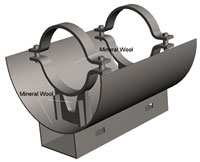 This presentation will cover pipe support design, 3D modeling, Finite Element Analysis, special stress and thermal cases, along with the unique cases that brought on new pipe support designs. Increase your understanding of the value-added services that are offered by PT&P, and rest assured that your Engineering and Design needs can be covered by our 24×7 web-based emergency services, providing field service, and quick-turn around time when you need it most.