Cryogenic processes, those operating at extremely low temperatures, often below −150∘C, are vital across the energy and chemical sectors. From liquified natural gas (LNG) to specialized chemical synthesis, maintaining temperature control is non-negotiable. This is where cryogenic pipe supports, often called “cold shoes,” become indispensable, offering significant value by preventing thermal damage, boosting energy efficiency, and ensuring operational safety in your most critical facilities.
What is a Cryogenic Cold Shoe?
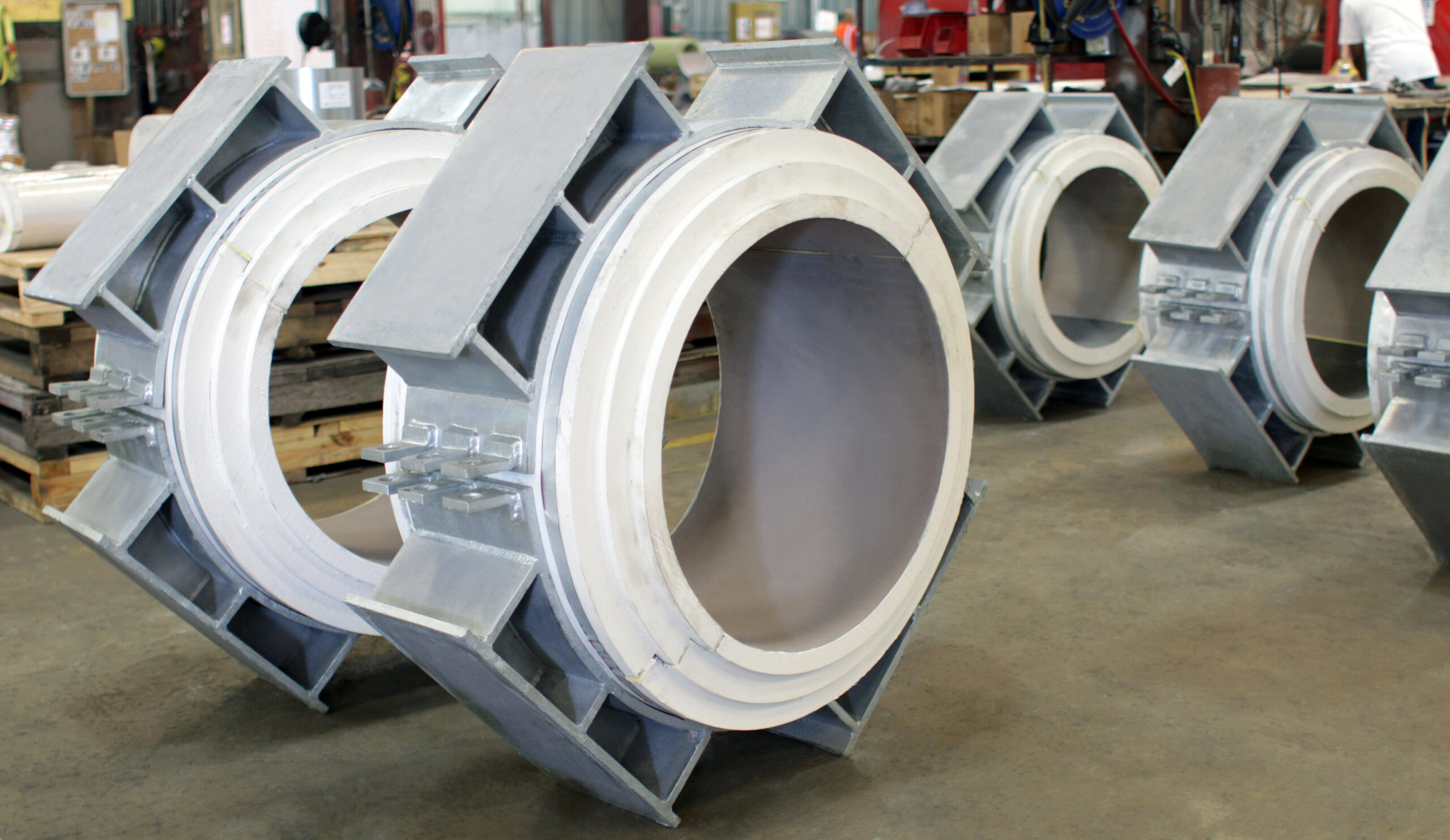
A cold shoe is a specialized, pre-insulated pipe support for cryogenic systems. It uses a non-conductive, high-density insulating material (like HD-PUF or a composite) enclosed by a protective outer shell (metal or fiber-reinforced polymer), distinguishing it from standard metal supports.
Its core function is to create a thermal break between the ultra-cold pipe and the ambient-temperature supporting structure (like steel I-beams). This simple design feature is key to preventing a host of costly and dangerous issues in high-stakes environments such as refineries, power plants, and chemical processing facilities.

Value-Added Benefits of Cryogenic Cold Shoes
The successful operation of a cryogenic system hinges on minimizing unwanted heat transfer, which directly impacts safety, longevity, and cost-efficiency. Cold shoes address these challenges head-on, delivering substantial value across the board:
1. Enhanced Energy Efficiency and Cost Savings
- Minimized Heat Ingress: The primary goal of any cryogenic system is to conserve “cold.” Cold shoes significantly reduce heat leakage (heat ingress) from the environment into the cold fluid (e.g., LNG or liquid oxygen). By maintaining the designed low temperature with minimal effort, the system’s refrigeration equipment operates less frequently, drastically reducing power consumption and operating costs.
- Reduced Product Loss (Boil-Off): For liquefied gases like LNG, heat ingress causes “boil-off,” where the liquid vaporizes prematurely. Efficient cold shoes limit this vaporization, preserving the valuable product and ensuring it reaches its destination or the following process stage in the intended state.
2. Protection of Pipe Integrity and Structural Safety
- Prevention of Pipe Damage: Extreme temperature differences cause the pipe material to thermally contract. This contraction generates enormous stress, which can lead to pipe fatigue, cracking, or insulation damage. Cold shoes are engineered to absorb these forces and safely accommodate pipe movement, preserving the structural integrity of the entire piping system.
- Mitigation of Ice Formation: Without a proper thermal break, the structural steel supporting the pipe can cool to cryogenic temperatures, leading to external condensation and hazardous ice formation. This ice buildup adds unexpected weight, stresses the support structure, and can corrode steel components. Cold shoes prevent this dangerous phenomenon.
- Protection of Insulation: The rigid foam core of the cold shoe not only insulates but also protects the adjacent, more fragile line insulation from being crushed by the enormous weight and dynamic loads of the pipe and its contents.
3. Operational Reliability and Reduced Downtime
- Simplified, Faster Installation: Modern, engineered cold shoes, especially those designed with rapid-installation features, are often quicker and easier to fit than traditional, field-fabricated supports. This translates to reduced project timelines during construction and maintenance shutdowns.
- Longer Service Life: By effectively managing thermal stress, preventing corrosion, and protecting the primary insulation, high-quality cryogenic supports extend the overall lifespan of the piping system, leading to fewer emergency repairs and less unplanned downtime.
Industry Applications Where Cold Shoes Shine
| Industry | Primary Cryogenic Media |
Key Value Contribution |
| Refineries & Petrochemical | LNG, Ethylene, Propylene, Liquid Nitrogen/Oxygen | Minimizes boil-off losses; ensures safe handling of volatile, low-temp hydrocarbons; protects critical pipelines. |
| Power Generation | Liquid Oxygen (for integrated gasification), Hydrogen (future fuel) | Maintains efficiency in air separation units (ASUs); supports new, highly efficient power cycles utilizing cryo-fuels. |
| Chemical Processing | Ammonia, Specialty Solvents, Liquid Carbon Dioxide | Guarantees precise temperature control for efficient chemical reactions and separation processes; prevents system failure from thermal shock. |
Achieve Cryogenic Performance and Safety with PT&P
Don’t let inadequate pipe supports compromise your multimillion-dollar cryogenic assets. The cost of a system failure, from product loss and energy waste to plant downtime, far outweighs the investment in properly engineered cold shoes.
Piping Technology and Products delivers fully engineered, customized cryogenic supports tailored to your exact load, temperature, and material specifications. We provide the expertise and proven product quality to protect your pipeline and your bottom line.
For over 45 years, we have specialized in custom-designed, pre-insulated cryogenic cold shoes that eliminate thermal risk and maximize energy efficiency, helping critical infrastructure in the power, chemical, and refining industries operate safely without compromise.
Contact Piping Technology and Products today for a custom engineering quote on cryogenic cold shoes to protect your critical processing systems.