What Are Wedge Block Assemblies And How They Keep Industrial Piping Operational

June 2, 2026
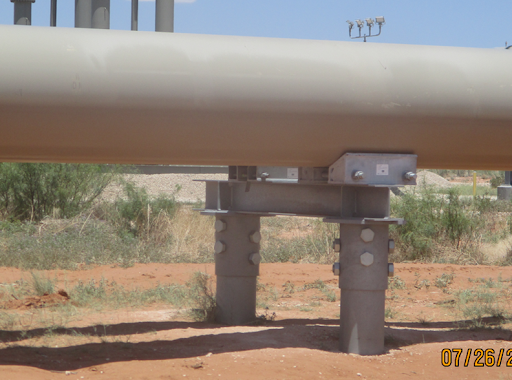
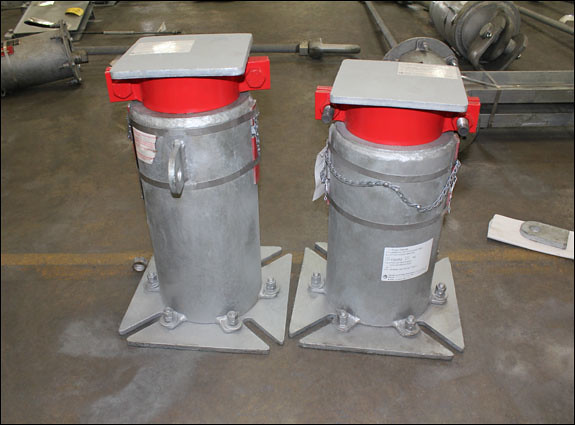
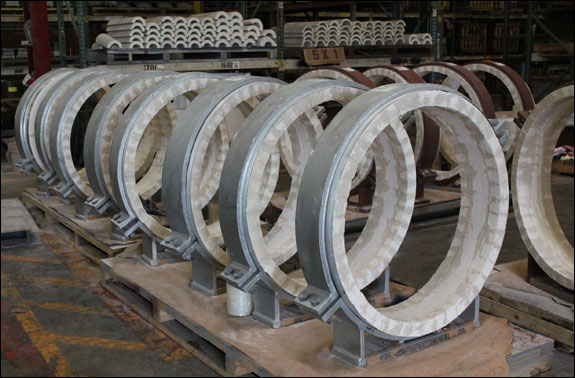
Wedge block 1
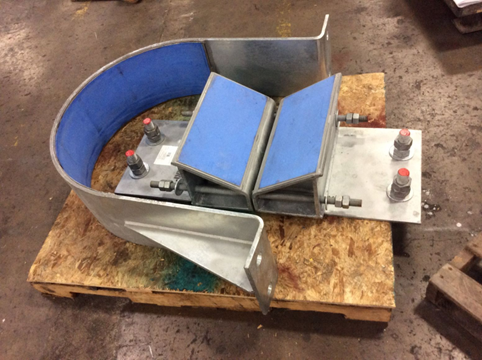
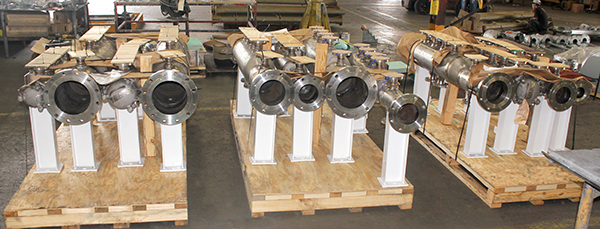
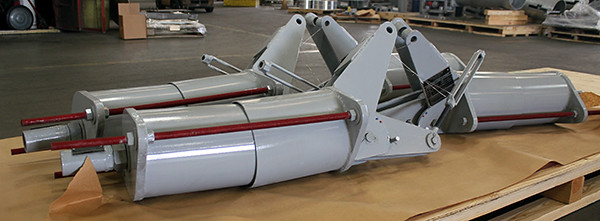
Wedge block 2

Industrial piping systems are engineered to precise specifications, but operating conditions rarely hold still. Thermal expansion, structural settlement, and installation variances gradually push pipes out of their designed positions, and when a line sits at the wrong elevation, it carries stress that was never accounted for in the original design. Left unaddressed, that stress shortens service life, increases maintenance frequency, and raises the risk of failure in systems.

Wedge block assemblies, also called shim blocks, are the engineered answer to this problem. These adjustable supports are installed beneath piping to raise, lower, or level the pipe with precision, without requiring structural modification to the surrounding system. They are widely used across refineries, crude oil terminals, petrochemical plants, and heavy process facilities. 

This article walks through everything a reader needs to understand about how wedge blocks work, the critical design process, and the value Piping Technology & Products (PT&P) delivers through its solutions. 

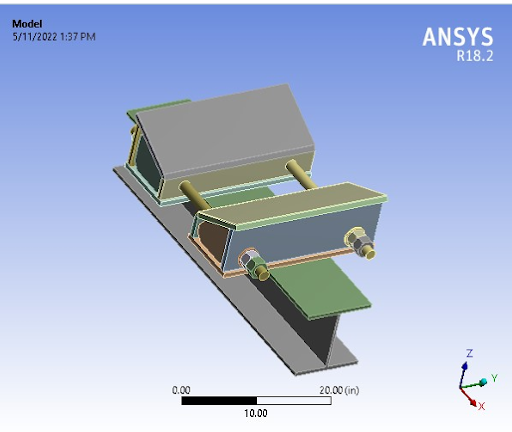
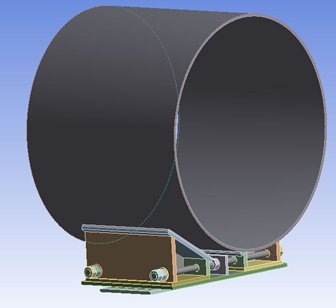
Assembly model


How a Wedge Block Assembly Works

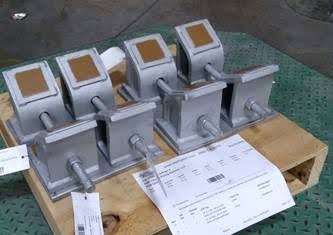
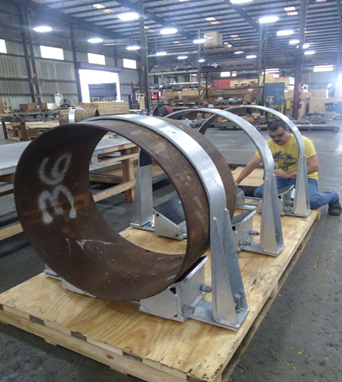
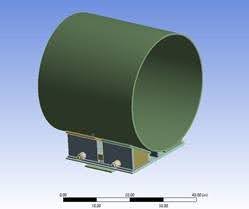
A wedge block assembly consists of two tapered steel blocks supplied as a matched pair, connected by rods and fasteners. The blocks are positioned beneath the pipe at equal distances from the centerline. Because they are tapered, their combined height changes with their lateral position, sliding them inward raises the pipe, and moving them outward lowers it. Once the target elevation is reached, the fasteners are tightened to lock the assembly in place.

Additional components can be specified depending on the system’s requirements:

Component Function 
Hold-down clamps Fully secure the pipe against movement in all directions
Slide plates Allow axial pipe movement while maintaining vertical support
Fasteners and rods Connect the block pair and lock the set elevation

This configuration gives field engineers a reliable, repeatable way to correct pipe elevation after installation, without dismantling the support structure or rerouting the line.

Pipe elevation

Where Wedge Blocks Are Specified

Wedge block assemblies are the right support solution when a fixed support cannot meet the system’s demands. Common conditions that call for them include post-installation elevation correction, misalignment that would transfer damaging stress into the piping if held by a rigid support, systems where axial movement must be accommodated alongside vertical control, and environments where the pipe-to-support interface needs active corrosion management.

Refineries, crude oil terminals, and petrochemical plants are the most frequent users, primarily because their piping systems carry heavy loads, run at elevated temperatures, and are expected to operate continuously for decades.  

Wedge blocks movement

Load Capacity and Custom Design

Every assembly is custom-engineered based on the project’s specific requirements, which is why PT&P has been able to deliver assemblies ranging from a few hundred pounds of support capacity all the way up to 84,000 lbs. The design is always derived from the application.

To develop a custom wedge block specification, PT&P’s engineering team requires the following inputs:


Required Input Why It Matters
Pipe size Determines block geometry and contact area
Desired load rating Drives structural sizing and liner selection
Support location and floor or steel dimensions Defines the available footprint
Line temperature and operating environment Controls material and liner specifications
Required height adjustment range (e.g., 4″ to 8″) Sets taper angle and travel limits
Axial movement requirements Determines whether slide plates are needed

Critical Consideration – Temperature and load are the inputs most frequently left incomplete, and both have direct consequences on the final design. If either is uncertain at the time of inquiry, that should be stated upfront, PT&P’s engineers can advise on approaches that preserve design flexibility while project details are confirmed.

Wedge block design

Liner Material Selection

The liner sits at the contact surface between the pipe and the assembly, and it governs friction behavior, vibration response, and corrosion performance in service. Standard PT&P assemblies are rated up to 250°F, and liner selection becomes especially critical in applications approaching or exceeding that threshold.


Liner Material Primary Function
PTFE Pads Low-friction interface for systems requiring free axial pipe movement
Fabric Pads Vibration damping at the support interface
Vibron Pads High compressive strength for heavy-load applications
Neoprene Pads High-friction interface to resist axial displacement
TPI (Thermoplastic Isolators) Blocks moisture ingress and eliminates the galvanic corrosion pathway
FRP (Fiber-Reinforced Plastic) Structural strength in chemically aggressive environments
Tico Pads Acoustic isolation combined with vibration attenuation


Wedge block material

Corrosion Mitigation

When a pipe rests on a flat support surface, moisture accumulates in the area of contact between the two materials. In the presence of dissimilar metals, that trapped moisture initiates galvanic corrosion, which progressively attacks both the pipe wall and the support structure from the contact zone outward. Wedge block assemblies reduce this risk because the tapered geometry creates line contact rather than surface contact, significantly limiting the area where moisture can collect.

In corrosion-aggressive environments, coastal locations, chemical plants, and high-chloride service, TPI liners provide an additional layer of protection by breaking the electrical pathway between the pipe and the steel support. Without that pathway, galvanic corrosion cannot initiate regardless of moisture exposure.  

Wedge block support

Engineering and Testing Capabilities 

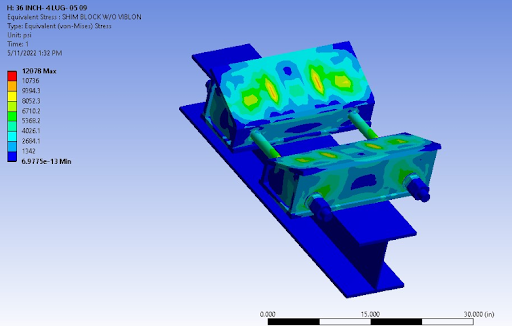
While typical vendors rely on off-the-shelf catalogs, we prioritize precision engineering custom to your unique project requirements. PT&P has been designing wedge-type supports for decades, with in-house engineering capability that includes Finite Element Analysis using Ansys for complex and high-load applications. FEA allows the team to model stress distribution, verify load path integrity, and optimize geometry before fabrication begins. Design calculations are available to customers upon request.

For applications requiring physical verification, our Houston facility conducts load testing to confirm that assemblies perform to their rated capacity under real conditions, providing documented assurance for quality-critical procurement processes.

To learn more about PT&P’s wedge support solutions or discuss project-specific requirements, schedule a consultation with one of our engineering specialists.

Read More

F-Type Variable Spring Supports Designed for a Chemical Processing Plant

May 19, 2026

F-Type Variable Spring Supports Designed for a Chemical Processing

PT&P manufactured F-type variable spring supports spring supports for a chemical processing plant in Texas.

These variable spring supports were designed with an internal guide and engineered to accommodate 0.09 inches of vertical movement. The units were specified for a 5,350 lb. cold load and a 5,450 lb. hot load, ensuring proper load support throughout operating conditions.

A key design challenge for this project involved the required hydro-test load. The supports needed to withstand a hydro-test load exceeding 33,000 lbs, which significantly surpassed the standard maximum hydro-test capacity of approximately 18,000 lbs.

To address this requirement, PT&P incorporated special collars in conjunction with the standard travel stops. These collars were specifically engineered to absorb the extreme hydro-test loads by utilizing the high-strength characteristics of the load flange and housing assembly, while effectively bypassing the threaded internal components of the spring support.

This custom solution provided the strength and reliability required for the application while maintaining the operational functionality of the variable spring assembly.


Read More

Custom Big Ton Springs Designed for a 122,000 lb. Load for a Chemical Plant

May 4, 2026

Custom Big Ton Springs Designed for a 122,000 lb. Load for a Chemical Plant

Type: Big Ton Spring Supports
Size: 52-3/4″ L x 38-3/4″ W x 91″ H
Design: 121,916 lb. Load | 3/4″ Upwards Movement
Material: HDG Carbon Steel | Neoprene Coated Springs
Testing: Load Calibration Test | Hydro-tested

Piping Technology & Products (PT&P) custom-designed a big ton spring support for a chemical plant in Pennsylvania to support a vessel with a load exceeding 121,916 lbs and accommodating 3/4 inch of upward movement.

The unit measures 52-3/4″ L x 38-3/4″ W x 91″ H and was engineered to handle substantial loads while allowing controlled movement within a confined space. Big Ton spring supports are specifically designed for heavy-duty applications, including vessels, compressors, and pumps in power and petrochemical facilities.

By incorporating a compact, high-capacity support solution, PT&P helped the client avoid a costly redesign of the piping system, delivering both engineering efficiency and cost savings.

This unit features an internal guide and a specially designed pedestal to meet the required elevation and withstand hydro-test loading conditions. A load calibration test was conducted prior to shipment to ensure performance and accuracy.

This project demonstrates PT&P’s ability to provide custom-engineered solutions for extreme load conditions, combining reliability, precision, and cost-effective design.

Read More

Pig Launchers and Receivers Custom Designed for a Chemical Plant

April 21, 2026


Pig Launchers and Receivers Custom Designed for a Chemical Plant

Type: Pig Launchers & Receivers
Size: 4-14” Diameter | 72-98″ Long | 48″ Tall Stands
Material: 316 L SS | SA 106-B | SA-105
Design: Operating Temperature: 221°F
Operating Pressure of 117, up to 205 PSI

PT&P’s Sweco Fab division custom designed and manufactured pig launchers and receivers for a chemical plant in Saudi Arabia, delivering a reliable solution for pipeline maintenance and operational efficiency. A pig launcher  is a pressurized vessel used to introduce a cleaning or inspection device (“pig”) into a pipeline. These systems enable a variety of functions, including cleaning, inspection, and maintenance, without interrupting pipeline operations. Pig launchers and receivers are widely used across industries such as oil and gas, chemical processing, food production, paint manufacturing, and cross-country pipelines.

The primary advantage of pipeline pigging systems is the ability to maintain and inspect pipelines without shutting down flow, reducing downtime and preventing cross-contamination—resulting in significant cost and time savings for plant operations and maintenance teams.

These units were fabricated using 316L stainless steel, SA-106 Grade B, and SA-105 materials, ensuring durability and corrosion resistance in demanding environments. The pig launchers and receivers were produced in sizes ranging from 4″ to 14″ in diameter, with lengths between 72″ and 98″, and were mounted on 48-inch-tall support stands.

The assemblies were designed for an operating temperature of 221°F and pressures ranging from 117 to 205 PSI, meeting the performance requirements of the application.

This project highlights PT&P’s capability to deliver custom-engineered pipeline solutions that enhance system reliability, reduce maintenance downtime, and support efficient plant operations.

Standard Expansion Joints and Pipe Support Components

PT&P REF. ORIGINAL POST 09252019

Read More

Heavy Duty Yoke U-Bolt Pipe Clamps Designed for a Pipeline in Canada

April 7, 2026

Heavy Duty Yoke U-Bolt Pipe Clamps Designed for a Pipeline in Canada

Piping Technology & Products designed and manufactured custom Fig. 43 yoke u-bolt pipe clamps for a pipeline in Canada. Engineered for 42-inch diameter pipe, these clamps were fabricated from hot-dip galvanized carbon steel to ensure durability and corrosion resistance in demanding environmental conditions. Each assembly was designed to support loads of up to 27,500 lbs, providing reliable structural support for critical piping systems.

PT&P supplied a total of 28 assemblies within a three-week timeframe, meeting the project’s expedited schedule without compromising quality.

Prior to manufacturing and shipment, our engineering designed these clamps utilizing Finite Element Analysis (FEA). Through FEA, PT&P engineers were able to simulate real-world loading conditions, ensuring the design could withstand extreme stresses while minimizing the risk of failure in service.

This project highlights PT&P’s ability to deliver high-strength, custom-engineered pipe support solutions backed by advanced analysis and rigorous quality control.

PT&P REF. ORIGINAL POST 01242015


Read More

Improve Piping System Reliability with Anchors, Guides and Slides in Cooling Systems

April 2, 2026

Pipe Guides Designed for a Recovery Boiler

How to Build a Reliable Cooling System with Proper Pipe Supports

A cooling system consists of pipes, slides, guides, and anchors that provide a carefully engineered framework for safely managing pressure, temperature, and flow. These components work together to handle thermal expansion, maintain the integrity of the entire network, and ensure minimal energy loss. 

How Pipe Guides Prevent Failure

Pipe guides play a critical role in directing thermal expansion. They ensure that movement travels straight into the expansion joints rather than shifting off-axis. Without this precise direction, pressurized chilled water lines can experience sudden failures. Using the right guides helps maintain the facility’s safety by keeping forces contained within their intended path.

How to Improve Performance with Low-Friction Slide Plates

To further protect the system, engineers often integrate slide plates lined with PTFE. These plates allow chilled water pipes to move smoothly with very little friction. This setup reduces the overall wear and tear on the piping and supports. When movement is fluid and unrestricted, the system lasts longer and requires less frequent maintenance, saving the operator time and costs. 

Pipe anchors are used to isolate the piping system from the process equipment and prevent end forces from system expansion and contraction from being transferred to sensitive process equipment that isn’t designed to carry them.

Secure Your Piping System with Anchors, Guides, and Slides

Contact our engineering team today to discuss custom supports and 3D design verification for your next project. 

Real World Examples:

Spring Supports with PTFE, 25% Glass Filled Slide Plates for a Plant in China

PTFE Slide Plates Designed for a Refinery in Louisiana

Pipe Guides Designed for a Recovery Boiler

Frequently Asked Questions: Pipe Anchors, Guides, and PTFE Slides

42″ Dia. Heavy Duty Insulated Pipe Support Anchors for a High Temperature Application

What are the main benefits of using pipe guides in cooling systems?

Pipe guides prevent catastrophic failures by directing thermal expansion into expansion joints. This keeps movement aligned and protects pressurized lines from shifting in dangerous directions. 

How do PTFE slide plates help industrial piping?

PTFE-lined slide plates provide a low-friction surface, allowing pipes to move easily as they expand or contract. This reduces physical stress and wear on the cooling system components. 

What is design verification for pipe supports?

Design verification involves using 3D modeling and 3D printing to test specialty pipe supports before they are manufactured. This helps clients confirm that the supports will work correctly in complex cooling systems. 

Can I get custom designs for my facility’s piping framework?

Yes, PT&P offers custom design capabilities to create supports, anchors, and guides tailored to specific cooling system requirements. This ensures the system has the exact flexibility and strength it needs to run safely.


Read More

Celebrating Dolores Anderson, Retiring AP Supervisor at PT&P

March 31, 2026

Retiring AP Supervisor Dolores Anderson retires after 361/2 years with Piping Technology and ProductsIn 1989, when Dolores Anderson walked into Piping Technology & Products’ Long Drive location for her first real job, the accounting office was literally a converted house. The company was smaller, invoices were on paper, and “paperless” wasn’t even a buzzword yet.
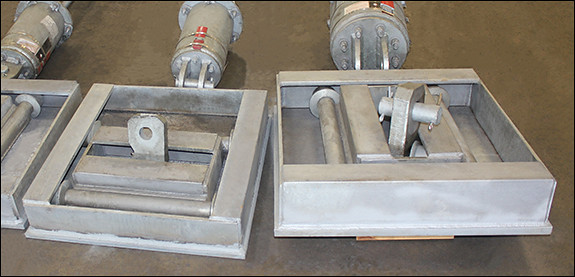

Today, as Dolores retires as Accounts Payable (AP) Supervisor, she leaves behind a very different operation: one that’s larger and rapidly going digital. Her career traces the transformation of accounts payable from paper files and 10-key calculators to cloud-based workflows that are a lot more complex.

This is her PT&P journey and how she’s preparing the next generation, with Accounting Clerk Aglae De La Garza, in association with longtime Accounting Team Member Virginia Parrish, to carry AP into its fully paperless future at Piping Technology & Products (PT&P). 

Dolores’s view of accounts payable is simple:

Detail matters most. In AP, “it’s so easy to make a mistake,” she explains. “Being highly detailed: Looking at all the dots and everything is really important  when you’re responsible for paying vendors correctly and on time.”

 “The AP Team, with their attention to detail, is critical in ensuring that we’re paying the vendors accurately and on time. Their relationship with our vendors is valuable when we need an urgent supply of materials or services. They work with us because of our relationship and our track record of prompt payment.” –Tim Schmitt, Vice President of Finance

The team culture at PT&P has been a nourishing and trustworthy environment where Dolores has grown personally and professionally. She repeatedly emphasizes how much she will miss “the people I work with.”

In a small accounting office where everyone knows each other well, culture is a major part of long-term success and retention.

Passing the Mantle: Training the Next Generation

As she prepares for retirement, Dolores is focused on a smooth transition. She is actively training Aglae, who will take on key AP responsibilities and help lead the function into its next chapter, which includes:

  • Attention to detail: Dolores stresses that this is the most important quality for anyone entering AP.
  • Ownership of vendor relationships: Understanding that every invoice represents a real supplier relationship and a commitment.
  • Adapting to digital tools: While Dolores had to learn each new system from scratch, Aglae will begin her AP career in an environment designed to be paperless and cloud-first.

Looking forward, Dolores is confident about where AP is headed: fully paperless and digital. While she admits the shift away from paper created some anxiety, especially after years of relying on physical documentation and filing, she now sees this as “definitely…the best way to go.”

Knowledge Transfer Across Generations

Dolores’s long tenure means decades of institutional knowledge: how things work, and where issues tend to arise. Training Aglae ensures that this knowledge doesn’t walk out the door with retirement, but is instead embedded into the next generation’s digital workflows.

Honoring the Past, Building the Future of AP at PT&P

Dolores’s story shows how a company recognizes that growth and commitment matter: honoring experience and, most importantly, investing in people.

As she retires after more than three decades, having grown from a one-person collections and order entry role to supervising AP for an expanded, multi-subsidiary operation, Dolores leaves PT&P’s accounts payable function on solid footing.

“We’re proud to have so many long-tenured employees who stay with us here at Piping Tech….across so many disciplines, our teams have chosen to grow with us: our average tenure is between 7-25 years, and that shows how much we’ve valued our people, over our 50 years as a company.”  Monique Woodard, Director of Human Resources

PT&P is a place where people build long, meaningful careers, as Dolores did. As we invest in the next generation of talent and modernize how we work, we’re looking for detail-oriented, curious professionals who want to grow with us in an environment that values mentorship. Explore career opportunities at PT&P and help shape the next chapter of our story.


Read More

Type-C Variable Assemblies with Dual Travelers for a De-coker Unit

March 23, 2026

Type-C Variable Assemblies with Dual Travelers for a De-coker Unit

Type: Variables with dual travelers
Design: Operating load: 1,698-21,756 lbs
Material: A36 Carbon Steel with HDG finish
Size: Horizontal Travelers range from size 2 to size 4

Piping Technology & Products designed and manufactured custom dual travelers with type-C variable spring hanger assemblies for valve applications in a de-coker unit in Texas. 

In a delayed coker unit, piping systems are concentrated around coke drums, switch valves, and overhead lines where they are exposed to extreme thermal cycling, vibration, and continuous operational switching. These conditions create significant movement and stress in the piping, which, if not properly supported and managed, can transfer excessive loads into critical components like valves and drum nozzles. Over time, this leads to fatigue cracking, misalignment, and premature equipment failure—resulting in leaks, costly unplanned shutdowns, and serious safety risks. Reliable piping support solutions are essential in these environments to control movement, protect critical assets, and ensure continuous, safe operation of the unit.

Dual-travel assemblies are especially useful in cokers, where large thermal movements, load variability, and tight spatial constraints all come into play. Instead of specifying an oversized spring with long travel (which may not fit), a dual traveler design provides the required movement capacity within a compact envelope while maintaining proper load control and protecting valve connections.

Fabricated from A36 carbon steel with a hot-dip galvanized (HDG) finish, these assemblies provide durability and corrosion resistance in demanding refinery environments. The dual traveler design accommodates up to 12 inches of horizontal movement, helping to reduce stress on piping and connected equipment.

The Type-C variable spring hangers were engineered to support operating loads ranging from 1,698 to 21,756 pounds, ensuring reliable load control throughout system operation.

This project highlights PT&P’s competitive advantage in delivering fully engineered, field-proven solutions that address complex challenges in both new and existing piping systems. By combining custom design, in-house manufacturing, and rigorous testing, PT&P ensures each solution performs reliably under extreme thermal movement and operating conditions. Our ability to integrate with pre-existing piping layouts, while maintaining system integrity and protecting critical equipment, enables customers to implement solutions that work in practice quickly, resulting in improved reliability, reduced downtime, and long-term operational confidence.

Read More

Troughs and Shrouds for Liquefied Natural Gas (LNG) Pipeline Spill Containment

March 10, 2026

Troughs shroud 1

Liquefied Natural Gas (LNG) facilities in the United States operate under strict federal safety regulations that mandate effective containment of potential LNG spills. These requirements—enforced by the Federal Energy Regulatory Commission (FERC) and aligned with NFPA 59A (National Fire Protection Association Standard 59A)—are designed to ensure that LNG releases are controlled, safely directed, and prevented from damaging structural systems or endangering personnel.

Cryogenic fluids such as LNG present significant hazards during a spill event. Extreme temperature differentials can induce thermal shock, leading to brittle fracture of structural steel. In addition, conventional containment systems may fail under severe environmental conditions such as hurricane-force winds, sub-zero temperatures, and combined dynamic loads. These failures can result in uncontrolled LNG release, environmental impact, and damage to adjacent infrastructure.

A critical component of LNG facility safety and compliance is pipe spill containment, typically achieved through the integration of:


  • Troughs – linear containment systems installed beneath piping

Screenshot 2026 04 08 at 9.44.40 am


  • Shrouds – localized enclosures designed to manage vapor dispersion

Screenshot 2026 04 08 at 9.45.07 am

This bulletin outlines the function, application, and engineering considerations of troughs and shrouds in cryogenic LNG systems.

Function of LNG Spill Containment Troughs

Trough systems are engineered to capture, contain, and safely channel LNG spills under cryogenic and high-wind conditions. These systems typically consist of modular, interconnected sections forming a continuous containment path beneath LNG piping systems such as rundown lines and condensate lines.

Each trough module is supported by guided and sliding structural elements that allow for thermal expansion and contraction, ensuring system integrity across extreme temperature ranges.

Key Functions

  • Capture LNG in the event of a pipeline leak or spill
  • Prevent direct contact between cryogenic liquid and structural steel
  • Direct LNG to designated drainage or vaporization areas
  • Minimize thermal shock to supporting structures

Typical Applications

LNG containment troughs are commonly used in:

  • Elevated pipe racks
  • LNG transfer lines between process units
  • LNG loading and unloading systems
  • Areas requiring protection against brittle fracture of carbon steel structures

Engineering Considerations for LNG Trough Design

Due to LNG storage temperatures of approximately –260°F to –274°F, trough systems must be carefully engineered to withstand extreme conditions.

At Piping Technology & Products (PT&P), LNG trough systems are designed with the following considerations:

  • High-Capacity Spill Handling
    Designed to contain LNG spill flow rates up to 5,723,072 lb/hr
  • Thermal Expansion and Contraction
    Engineered to accommodate temperature differentials from +150°F to –274°F, with controlled displacement through guided support systems
  • Wind Load Resistance
    Designed to withstand Category V hurricane winds (up to 190 MPH), validated through Finite Element Analysis (FEA)
  • Structural Load and Reaction Forces
    Detailed analysis of axial and lateral loads from wind, thermal movement, and LNG weight. High-load areas are reinforced with heavy-duty guides and structural supports
  • Material Selection for Cryogenic Service
    Materials are selected to maintain strength and toughness at extremely low temperatures
  • Compatibility with Pipe Movement
    Ensures trough systems do not restrict thermal movement of process piping
  • Drainage Design
    Optimized slope and flow control to safely route LNG to containment or vaporization zones

These design factors ensure that trough systems perform reliably during spill events without overloading supporting structures.

Function of LNG Vapor Dispersion Shrouds

Shrouds are localized protective enclosures installed around or above LNG piping to manage vapor dispersion in the event of a leak. Their primary function is to contain and direct cold vapor clouds, reducing the risk of exposure to surrounding equipment and personnel.

Key Functions

  • Control and limit LNG vapor dispersion
  • Protect nearby structural components from cryogenic exposure
  • Reduce risk of vapor cloud spread in critical areas

Engineering Considerations for Shrouds

Effective shroud design requires careful attention to:

  • Cryogenic Compatibility – Materials must withstand extreme low temperatures without embrittlement
  • Wind and Structural Loads – Designed to resist environmental forces without deformation
  • Ventilation and Vapor Management – Proper airflow to safely disperse vapor without pressure buildup
  • Non-Restrictive Design – Must allow full thermal movement of piping systems
  • Structural Integration – Seamless integration with pipe racks and support systems

Conclusion

In LNG pipeline systems, troughs and shrouds play complementary roles in spill containment and vapor control.

  • Troughs provide continuous collection and controlled routing of liquid LNG spills
  • Shrouds manage localized vapor dispersion and protect surrounding infrastructure

Both systems must be engineered to accommodate cryogenic temperatures, structural loads, and piping movement while meeting stringent regulatory requirements.

Proper design and integration of LNG spill containment systems not only ensure compliance with FERC and NFPA 59A, but also significantly enhance overall facility safety and reliability.

Early engineering involvement is critical to developing effective, compliant, and durable containment solutions for LNG facilities.

Schedule a meeting with our engineers to discuss your expansion joint protection needs.


Read More

Eliminate Construction Delays in Data Centers with High-Performance Expansion Joints, Pipe Guides, and Supports

March 10, 2026

Eliminate delays in data center construction with expansion joints, and pipe supports from Piping Technology and Products and US Bellows.

Secure Your Cooling Infrastructure

Data centers operate on some of the most aggressive construction timelines in the industrial world. Every day spent waiting for custom-designed components is a day of lost revenue and delayed scaling. To address this challenge, Piping Technology & Products offers pre-engineered pipe supports that eliminate uncertainty in chilled water system installations. By using standardized designs for common pipe diameters, operators can bypass the traditional design cycle and move directly to installation, accelerating project schedules and improving overall efficiency.

The Challenge with Custom Lead Times

Custom-engineered supports can often delay projects during critical final stages. When scaling facilities to accommodate high-density racks, the supporting infrastructure must keep pace with rapid deployment schedules.

PT&P addresses this challenge by offering plug-and-play variable spring hangers and pre-insulated pipe shoes. These components are designed to accommodate standard industry loads and thermal movements, enabling seamless integration into CRAC (Computer Room Air Conditioning) chilled water systems while accelerating installation timelines.

Thermal Integrity and Condensation Control

In environments filled with sensitive electronics, moisture poses a significant risk. Chilled water lines are susceptible to condensation, which can lead to serious equipment damage. To address this, PT&P utilizes high-density polyurethane (HDPU) in insulated pipe shoes to create an effective thermal break. This design prevents condensation from forming on the support steel while helping maintain consistent water temperatures from the chiller to the CRAC unit.

Critical Components in a CRAC System

The reliability of your cooling loop depends on how well the piping handles thermal growth and mechanical vibration. Below is a breakdown of how specific components protect your CRAC units.

Component

Manufacturer Primary Function

Value to CRAC Unit

Expansion Joint US Bellows Absorbs thermal growth and vibration Protects unit flanges from mechanical stress
Pipe Guides PT&P Directs pipe movement Prevents misalignment of the water line
Spring Hangers PT&P Supports weight and absorbs shock Reduces structural load during pump cycling

Reliable Support: How PT&P Keeps Your Cooling Systems Running

Piping Technology and Products delivers a strategic advantage by combining rapid manufacturing with deep technical expertise. Our pre-engineered solutions reduce the total cost of ownership by preventing installation errors and protecting expensive cooling equipment from mechanical fatigue. When your timeline is non-negotiable, PT&P ensures your piping infrastructure is a foundation for growth rather than a cause for delay.

FAQ: Data Center Cooling Infrastructure

How do HDPU insulated shoes prevent data center downtime?

High-density polyurethane (HDPU) acts as a thermal barrier between the cold pipe and the support structure. This isolation prevents the air around the pipe from reaching its dew point. By stopping condensation before it starts, you eliminate the risk of water dripping into server racks or onto electrical components.

Why are pre-engineered spring hangers better for rapid scaling?

Pre-engineered hangers are built to standard chilled water specifications. This means they are ready for immediate shipment and installation. You avoid the weeks of back-and-forth engineering reviews that typically accompany custom-built supports.

What is the role of an expansion joint in a CRAC system?

Expansion joints from US Bellows absorb vibrations caused by pumps and by piping thermal expansion. Without these joints, the mechanical stress would transfer directly to the CRAC unit flanges. This protection prevents leaks and extends the cooling unit’s service life.

Can PT&P support high-density cooling requirements?

Yes. As data centers move toward liquid cooling and higher-density configurations, the weight and thermal demands on piping increase. Our supports are rated for these high-performance environments to ensure the stability of the entire water loop.

Build Faster and Protect Your Cooling Loop

Don’t let custom engineering slow down your expansion. Contact PT&P to request a quote for your next project.

Read More
Top