The Role of Pressure Vessels in Renewable Energy: A Sweco Fab Perspective

November 21, 2025

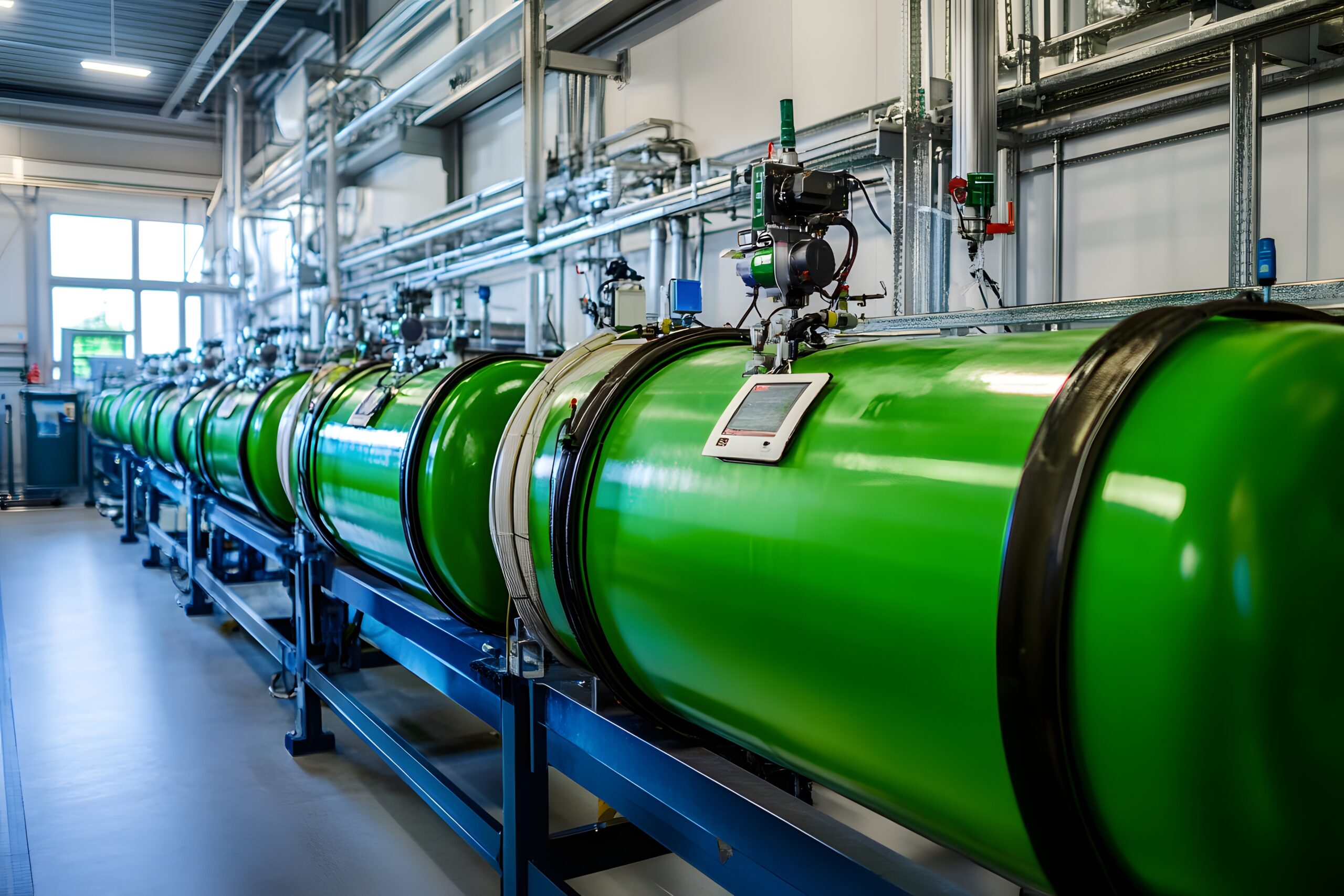
Pressure Vessels in renewable energy. Sweco Fab designs custom-fabricated pressure vessels.

The Unseen Enablers of Green Energy

The global shift toward renewable energy, solar, wind, geothermal, and more, is one of the most essential industrial transformations of our time. When we think of this “green revolution,” images of vast solar farms and towering wind turbines often come to mind. However, beneath the surface of these high-profile projects is a critical component: the pressure vessel.

Pressure vessels are essential containers designed to hold liquids, vapors, or gases at pressures significantly above ambient. In the volatile and highly specialized world of renewable energy, their role is not just about storage—it’s about making intermittent energy sources reliable, transportable, and safe. Without custom-engineered pressure vessels, many of today’s most promising green technologies would simply be unviable.

Beyond the Grid: Storage and Conversion

The primary challenge for renewable energy is intermittency. The sun doesn’t always shine, and the wind doesn’t always blow. This is where high-integrity pressure vessels step in, serving as the backbone for advanced energy storage and conversion systems.

Hydrogen: The Future’s Energy Carrier

Hydrogen is quickly emerging as a zero-emission fuel and a vital energy carrier, but to be practical for storage and transport, it must be compressed to extremely high pressures (often up to 700 bar).

  • Secure Containment: Pressure vessels are custom-designed per ASME SEC. VIII Div 1 with materials suitable for application and robust wall thickness, and welds to contain this highly compressed, volatile gas safely. 
  • Scale and Mobility: Whether for large-scale grid-balancing storage or for smaller, mobile refueling stations, custom-fabricated vessels are required to meet precise volume and pressure specifications, ensuring both safety and efficiency.

Thermal Energy Storage (TES)
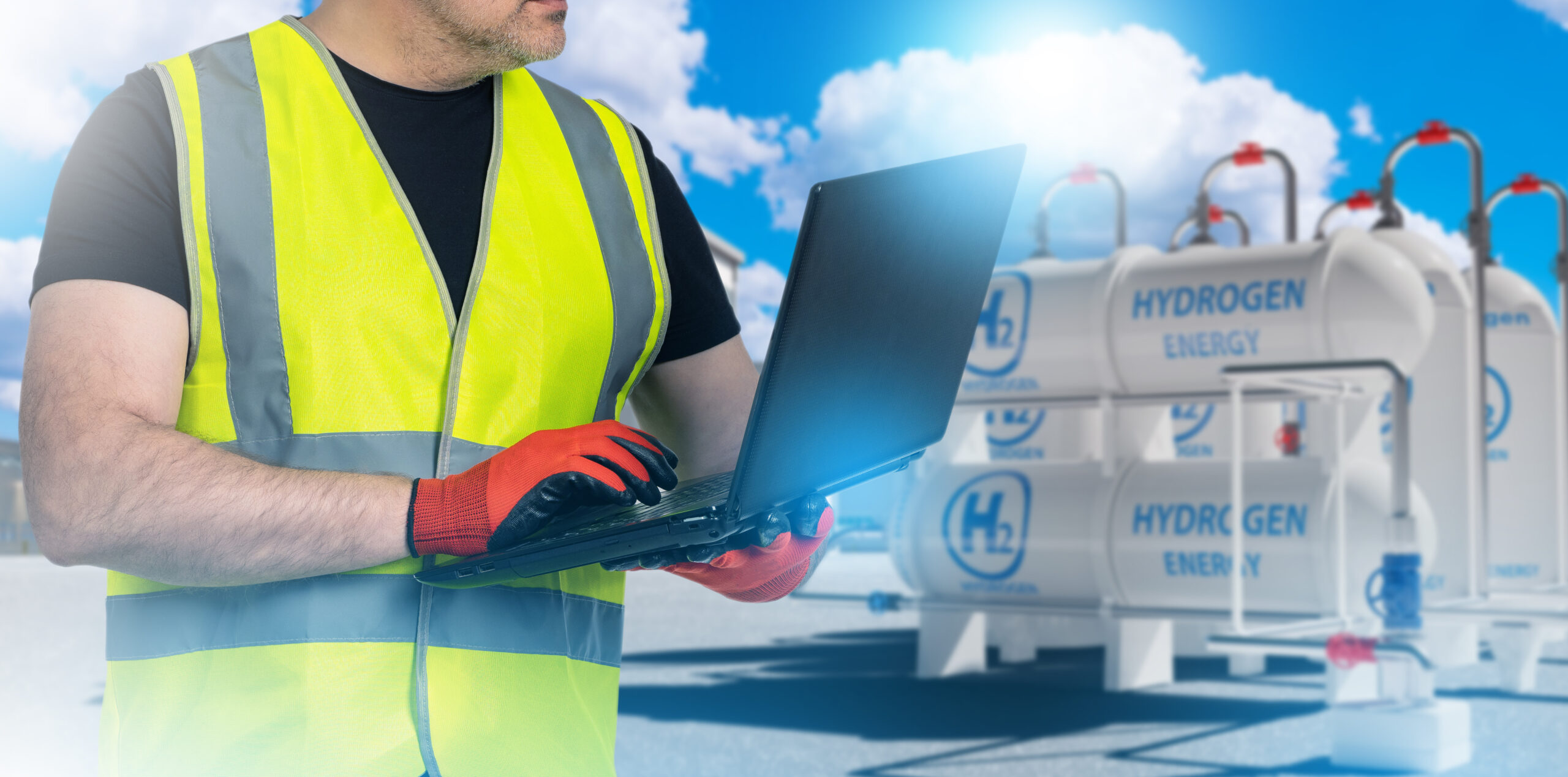
Hydrogen power plant technologist. man with laptop near h2 gas tanks. Sweco Fab offers custom fabricated pressure vessels to help with sustainable energy.

Concentrated Solar Power (CSP) plants, for instance, capture and store heat for later use. This heat is often stored using high-temperature mediums, such as molten salts, which remain liquid at hundreds of degrees Celsius.

  • Managing Extreme Heat: Pressure vessels built for TES must withstand not only high pressures but also extreme operating temperatures and the corrosive nature of the storage medium. Sweco Fab’s expertise in material selection and ASME-certified fabrication ensures these systems operate reliably, allowing power generation to continue long after sunset.

Sweco Fab: Precision in a High-Stakes Industry

Renewable energy projects operate under strict performance and safety standards. Using off-the-shelf vessels for these high-pressure, high-temperature, and often corrosive applications introduces unnecessary risk and inefficiency. This is why a custom-fabricated solution from an experienced partner is paramount.

Custom Fabrication for Best Performance

Every renewable energy system has unique demands. A custom-fabricated pressure vessel provides measurable advantages over a standard unit:

  • Application-Specific Material Selection: We select the precise grade of Carbon Steel, Stainless Steel (304/L or 316/L), or specialty alloys required to resist corrosion from specific chemicals (like those in carbon capture or biogas systems) or extreme heat.
  • Optimized Geometry and Integration: Custom vessels are engineered to fit seamlessly into complex plant layouts, with exact nozzle placement, size, and support structures (saddles, skirts) to maximize floor space and streamline piping, reducing installation time and costs.

Uncompromising Safety and Certification

In renewable energy, there is no margin for error. As an ASME U-Stamp and National Board RStamp holder, Sweco Fab. Inc. adheres to the most stringent international standards for both new vessel construction and repairs. This dedication to quality and safety is not just a certification—it’s a commitment to protecting your people, your investment, and the environment.

Ready to Power the Future with Sweco Fab?

The transition to a sustainable energy future depends on reliable infrastructure. From storing the next generation of hydrogen fuel to managing the extreme conditions of thermal energy storage, the right pressure vessel is the difference between a groundbreaking project and a costly failure.

Don’t let standard components limit your innovative renewable energy project.

Talk to a Sweco Fab engineer today about your specific pressure and thermal requirements. Let’s custom-design the ASME-certified vessel that will securely power your sustainable future. Click here to request a custom fabrication quote.

Read More
Pipe Support Selection: 5 Factors to Consider Before You Buy

November 20, 2025

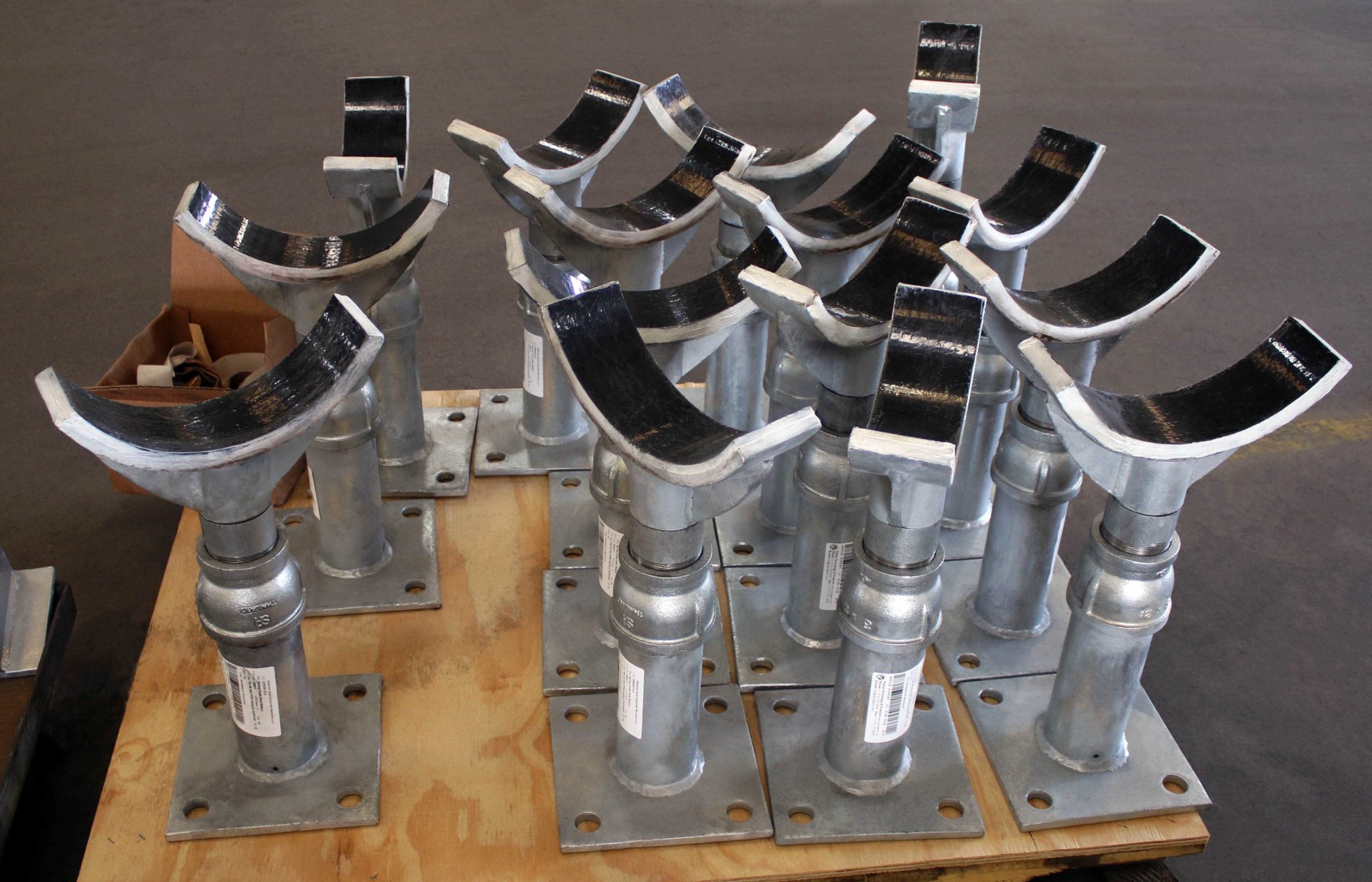
15 Adjustable Pipe Saddle Supports with FRP Wear Pads

Choosing the right pipe supports is crucial for the lifespan and safety of any piping system. It’s not just about holding pipes in place; it’s about managing stress, accommodating movement, and protecting your entire infrastructure. Before you make a purchase, consider these five critical factors to ensure you’re making the best decision for your project.

The Foundation of Reliability: Understanding Your Needs

Every piping system is unique, and so are its support requirements. A thorough understanding of your specific application will help you select the most appropriate supports.

What Environmental Conditions Will the Supports Face?

The environment in which your pipe supports operate significantly impacts their material and design. Consider factors such as:

  • Temperature: Extreme temperatures, both hot and cold, can affect material properties. Supports in high-temperature environments need to withstand thermal expansion and contraction, while those in cold environments must resist embrittlement.
  • Corrosion: Will the supports be exposed to moisture, chemicals, or saltwater? Corrosion-resistant materials, such as stainless steel, or specialized coatings, may be necessary.
  • Vibration and Seismic Activity: In areas prone to earthquakes or systems with high vibration, specialized seismic bracing or vibration dampeners are essential to prevent damage and ensure stability.

Load and Stress Management: Supporting More Than Just Weight

Pipe supports do more than bear the static weight of the pipe and its contents. They play a critical role in managing various forces and stresses within the system.

  • Weight of the Pipe and Contents: This is the most obvious factor, but it’s essential to calculate accurately, including the weight of insulation, valves, and other components.
  • Thermal Expansion and Contraction: As pipes heat up and cool down, they expand and contract. Supports must allow for this movement without inducing excessive stress on the pipe or the support itself. This is where options such as constant or variable spring supports come into play.
  • Dynamic Loads: Consider forces from fluid surges, water hammer, or external impacts. These dynamic loads require supports designed for robust performance.

Material Matters: Choosing for Durability and Performance

The material of your pipe support directly influences its lifespan and effectiveness.

  • Carbon Steel: A common and cost-effective choice for many applications, especially in moderate environments.
  • Stainless Steel: Offers superior corrosion resistance, ideal for harsh environments or where cleanliness is paramount.
  • Alloys: For extreme temperatures or highly corrosive media, specialized alloys might be required.
  • Non-Metallic Materials: In specific applications, such as those requiring electrical isolation or chemical resistance, non-metallic materials, such as FRP (fiber-reinforced plastic), may be suitable.

Installation and Accessibility: Practical Considerations

Even the best pipe support is ineffective if it cannot be installed correctly or maintained easily.

  • Ease of Installation: Consider the complexity of installation and whether specialized tools or skills are required. Supports designed for quick and straightforward installation can save time and labor costs.
  • Accessibility for Maintenance: Ensure that supports are placed in locations that allow for easy inspection, adjustment, or replacement without significant disruption to the system.
  • Space Constraints: In confined spaces, compact designs or specialized supports may be necessary.

Cost-Effectiveness and Long-Term Value

While the initial purchase price is a factor, it’s crucial to consider the long-term value and total cost of ownership.

  • Life Cycle Costs: Factor in installation, maintenance, and potential replacement costs over the system’s lifespan. A slightly more expensive but durable support might be more cost-effective in the long run.
  • Compliance and Standards: Ensure the supports comply with relevant industry standards and regulations to avoid potential penalties or safety issues.
  • Supplier Reputation and Support: Choose a reputable manufacturer that offers high-quality products, technical support, and reliable delivery.

By carefully evaluating these five factors, you can make informed decisions that result in a reliable, cost-effective piping system.

Choose PT&P to Protect Your Critical Infrastructure

At Piping Technology and Products, our comprehensive in-house capabilities, from design and engineering to advanced manufacturing and testing, ensure that every support is precisely tailored to your unique operational demands. We eliminate guesswork by providing solutions that anticipate complex challenges,  such as thermal expansion, seismic activity, and corrosive environments.

When you’re ready to improve your piping system with the right supports, contact Piping Technology and Products for a custom quote and discover how our engineered solutions can drive the safety of your infrastructure.

Read More

Choosing the Right Pipe Hangers and Supports for Data Centers

November 19, 2025

Data centers are mission-critical environments where system uptime and reliability are non-negotiable. While sophisticated IT equipment often takes the spotlight, the integrity of the supporting infrastructure, particularly the piping systems, is equally vital. From chilled water to fire suppression, these pipes rely on properly chosen hangers and supports to ensure stability, manage stress, and protect sensitive components. Selecting the correct support hardware is a crucial engineering decision for the long-term success of any data center.

The Critical Role of Pipe Hangers and Supports in Data Center Infrastructure

PT&P Supports Data Center New Builds with Customized Pipe Supports and Hangers and Expansion Joints

Pipe supports are the behind-the-scenes lynchpin of a data center’s mechanical infrastructure. They perform a variety of essential functions that directly impact operational efficiency and safety:

  • Load Bearing: They carry the weight of the pipe, the fluid it contains, and the insulation, preventing undue stress that can lead to pipe failure or joint leaks.
  • Thermal Management: They must accommodate thermal expansion and contraction as cooling water temperatures fluctuate, preventing pipe buckling and tensile stress on connections.
  • Vibration and Noise Reduction: Supports can incorporate vibration isolation features to minimize the transmission of harmful vibrations from pumps and chillers to the piping and, crucially, to surrounding sensitive IT equipment.
  • Seismic Protection: In earthquake-prone areas, specialized supports provide seismic bracing to restrain movement and prevent catastrophic damage during an event.
  • Alignment and Slope: They maintain the precise alignment and slope required for proper flow (e.g., in chilled water systems) or complete drainage (e.g., in fire sprinkler systems).

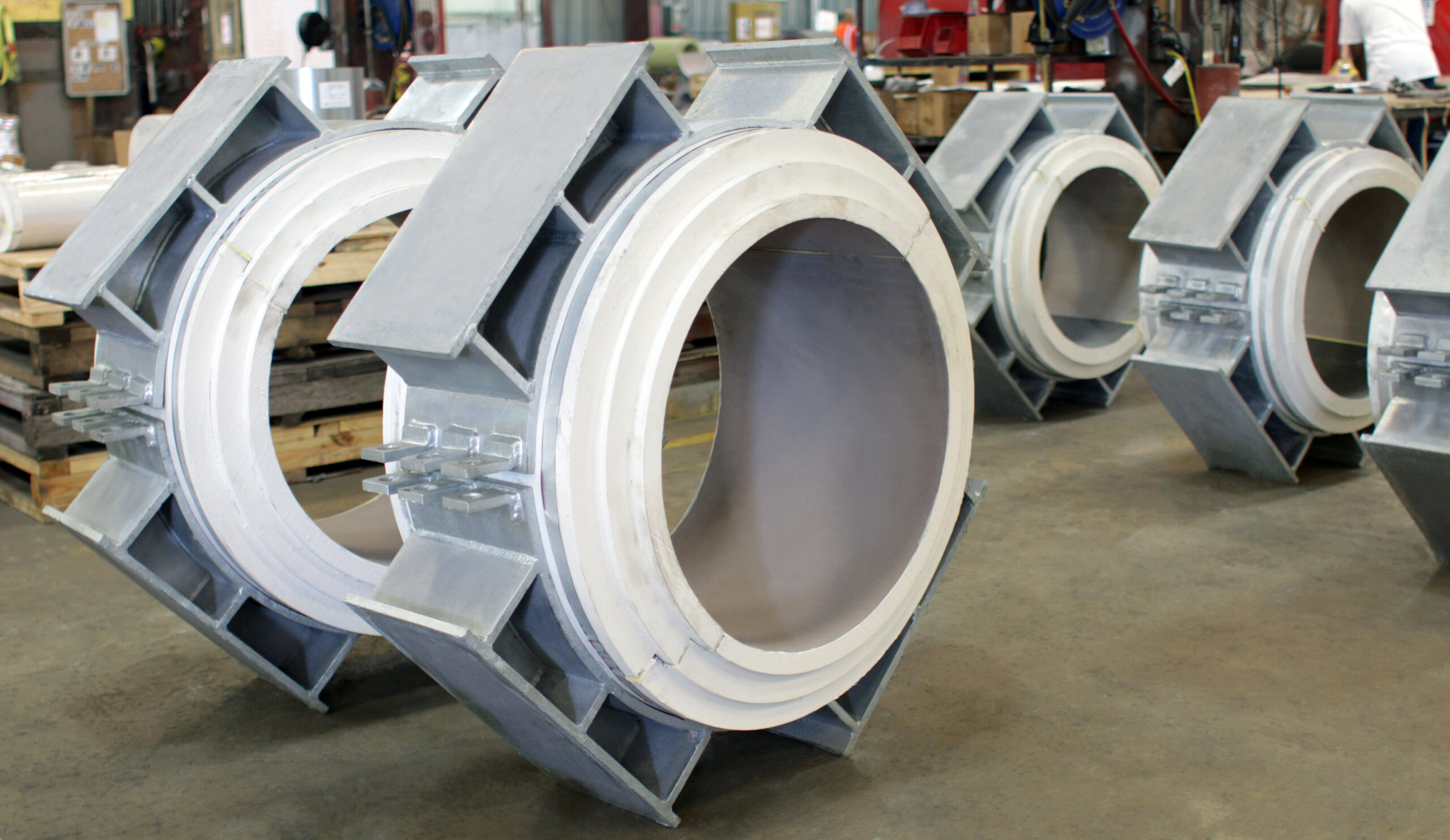
Cryogenic pipe supports from Piping Technology and Products.

Key Considerations for Data Center Pipe Support Selection

Choosing the proper support requires a detailed engineering assessment based on the specific conditions within the data center.

Material and Corrosion Resistance

  • Galvanized Steel: Standard galvanized steel is a common and cost-effective choice for most indoor, climate-controlled environments.
  • Stainless Steel: For areas with higher humidity, proximity to cooling towers (outdoor piping), or where potential condensation is a major risk, stainless steel offers superior, long-term corrosion resistance.
  • Non-Metallic Supports: In specialized or non-conductive applications, or where galvanic corrosion is a concern, non-metallic or isolation-lined supports (often rubber or PTFE) may be used.

Load Calculation and Proper Spacing

Accurate load calculation is fundamental. Engineers must factor in the nominal weight of the pipe, the maximum fluid weight (e.g., water or glycol), and the weight of any insulation or jacketing.

  • Spacing Standards: Hangers must be spaced in accordance with ASME B31.1 (Power Piping) or B31.9 (Building Services Piping), which specify minimum support intervals to prevent excessive sag, especially in horizontal runs.
  • Insulation Type: Supports must be designed to prevent compression of insulation, which creates a “cold bridge” that leads to condensation and energy loss. This is where pre-insulated supports become essential.

Best-Fit Hangers and Supports for Data Centers

The following types of hangers and supports are frequently used and highly recommended for data center mechanical systems due to their reliability and specific functionality.

 Type Description Data Center Application Benefit
Clevis Hanger A U-shaped piece with a bolted top, suspended by a threaded rod. Versatile, allows for vertical adjustment, and handles moderate static loads well.
Roller Hanger A saddle attached to a rod, allowing the pipe to rest on rollers. Crucial for pipes undergoing significant horizontal thermal movement (e.g., long chilled water runs). Minimizes friction.
Variable Spring Hanger Uses a coil spring to support the load while allowing vertical thermal movement. Used for vertical piping or where large thermal expansion/contraction necessitates constant, but cushioned, support.
Pipe Shoe (Saddle Support) A pre-fabricated steel base that elevates the pipe off the supporting structure (e.g., floor or beam). Essential for supporting pipes on structural steel or concrete. Prevents pipe damage and provides better maintenance access.
Pre-Insulated Supports A load-bearing insert (e.g., high-density polyurethane or phenolic foam) wrapped around the pipe, placed within a steel jacket. Critical for chilled water lines. Prevents insulation crushing, eliminates thermal bridges, and stops condensation at the support points.

 The Role of Seismic Bracing and Vibration Control

Given the high value of data center equipment, specialized support is mandatory in active zones.

  • Seismic Sway Braces: These are rigid structural members (usually rods or cables) attached diagonally to the pipe and the building structure. They are engineered to restrain lateral and longitudinal pipe movement during an earthquake, protecting both the pipe and the connections to sensitive equipment.
  • Vibration Isolators: These supports incorporate rubber, neoprene, or spring elements to absorb vibrational energy generated by mechanical equipment before it transfers to the piping and into the rest of the facility. Rubber-lined clamps are often used to ensure vibration damping at the point of contact.
  • One-of-a-Kind Nested U-Loop Expansion Joints: These supports offer a proactive response to seismic activity and provide sufficient flexibility to absorb ground movement without causing issues for the pipeline.

Ready to Build a Rock-Solid Foundation for Your Data Center?

The reliability of your data center starts with its foundation. Don’t compromise on the integrity of your chilled water, fire suppression, or mechanical piping. Improper support means more potential downtime.

Piping Technology and Products (PT&P) adds value to data centers through precision-engineered supports. Our teams deliver end-to-end load and pipe stress analysis, ensuring custom, seismic-compliant, and thermally isolated support systems. With PT&P, you get maximum uptime and a compliant infrastructure.

Contact our engineering experts for a free consultation and pipe stress analysis. We’ll help you specify the exact seismic bracing and pre-insulated supports needed to secure your piping infrastructure.


Read More

Choosing Your Industrial Plant Design Powerhouse: SmartPlant3D (SP3D) vs. AVEVA™ E3D Design (PDMS) vs. CADworx

November 18, 2025

When it comes to industrial plant design, selecting the right software isn’t just a technical decision: it’s a strategic one. The tools you choose can profoundly impact project efficiency, accuracy, collaboration, and ultimately, your bottom line. With a multitude of solutions available, finding the perfect fit for your specific piping and plant engineering needs can feel like navigating a complex maze.

At Piping Technology and Products, we understand the critical importance of these choices. That’s why we’ve compiled a detailed comparison of three leading plant design software platforms: SmartPlant3D®, AVEVA™ E3D Design(PDMS), and CADWorx®. We’ll delve into their strengths, typical applications, and unique features to help you identify which powerhouse aligns best with your project requirements and operational philosophy. Let’s explore the capabilities that define each of these top industry options.

Smartplant plant design software

SmartPlant® 3D: The Integrated Ecosystem Champion

Intergraph’s SmartPlant suite, now often referred to as Hexagon SmartPlant®, is a comprehensive, highly integrated set of applications that covers the entire plant lifecycle. From conceptual design to operations and maintenance, SmartPlant offers specialized modules that communicate seamlessly.

Key Strengths:

  • Total Integration: Modules like SmartPlant P&ID, SmartPlant 3D, SmartPlant Electrical, etc., work together to maintain data consistency across disciplines.
  • Data-Centric Design: Emphasizes a single source of truth for all project data, reducing errors and rework.
  • Advanced 3D Modeling: SmartPlant 3D offers robust, rule-based 3D modeling for piping, equipment, structural, and civil components.
  • Asset Management: Extends beyond design into operational asset information management.

Best Suited For:

  • Large-scale, complex projects requiring multidisciplinary coordination and extensive data management.
  • Organizations seeking a unified platform for engineering design, construction, and asset lifecycle information.
  • Industries such as power generation, oil & gas, shipbuilding, and mining.

Aveva final 01 plant design

AVEVA™ E3D Design (PDMS): The Detail-Oriented Veteran

AVEVA™ E3D Design has long been a leader in the detailed design phase, particularly for complex industrial plants. Known for its powerful 3D modeling capabilities, it excels at creating intelligent, clash-free designs.

Key Strengths:

  • Robust 3D Modeling: Highly detailed and accurate 3D modeling environment for piping, equipment, structures, and HVAC.
  • Clash Detection: Industry-leading automatic clash detection to prevent interferences and costly on-site modifications.
  • Data Richness: PDMS objects contain extensive attribute data, making it well-suited for generating reports and material take-offs (MTOs).
  • Customization: Highly customizable with macro language (PML) to tailor workflows and automate tasks.

Best Suited For:

  • EPC (Engineering, Procurement, and Construction) firms focused on detailed engineering and construction packages.
  • Projects requiring high levels of accuracy, sophisticated clash management, and detailed MTOs.
  • Industries include oil & gas, chemical, power, and marine.

CADworx Plant Design

CADworx® Plant Professional: The AutoCAD-Integrated Solution

Cadworx® Plant Professional, by  Hexagon, stands out for its deep integration with AutoCAD. This makes it an incredibly appealing option for companies and engineers already proficient and invested in the AutoCAD ecosystem. It provides comprehensive plant design capabilities directly within the familiar AutoCAD environment.

Key Strengths:

  • AutoCAD Integration: Leverages the power and familiarity of AutoCAD for 2D and 3D design.
  • Ease of Use: A relatively short learning curve for existing AutoCAD users.
  • Piping Specifications: Comes with extensive libraries and tools for creating and managing piping specifications.
  • Affordability: Often considered a more cost-effective solution compared to some of the larger, more complex suites.
  • P&ID and Isometrics: Strong capabilities for generating intelligent P&IDs and automatic isometric drawings.

Best Suited For:

  • Small to medium-sized engineering firms or departments.
  • Companies that value AutoCAD proficiency and seek to extend it into 3D plant design without a steep learning curve.
  • Projects where a balance of functionality, ease of use, and cost-effectiveness is key.

Making Your Choice: A Strategic Decision

Each of these software powerhouses brings unique strengths to the table.

  • SmartPlant3D offers an all-encompassing, integrated ecosystem for the entire plant lifecycle, ideal for large, complex, multidisciplinary projects.
  • PDMS (AVEVA E3D) excels at highly detailed 3D modeling and clash detection, making it ideal for precision engineering and construction.
  • CADworx provides a powerful, AutoCAD-integrated solution that offers robust functionality, a familiar interface, and often a more accessible price point.

The “best” software isn’t universal; it’s the one that best fits your project scope, your team’s existing skill set, your budget, and your long-term strategic goals. Consider the scale of your projects, the level of integration required, your budget constraints, and your team’s learning curve when making this crucial decision.

Integrate Design with Real-World Performance: Choose Piping Technology

Choosing the right design software provides the blueprint, but bringing that blueprint to life requires the right components and expertise. Regardless of whether your team employs the integrated power of SmartPlant3D, the detailed precision of AVEVA E3D (PDMS), or the familiarity of CADworx, the real-world performance of your plant hinges on not just design excellence but system reliability.

Piping Technology specializes in manufacturing and supplying critical components: from engineered pipe supports and highly customized expansion joints to dampeners and complete engineering services that precisely adhere to specifications generated by all major plant design software. Our engineers work with the output from these platforms daily, ensuring that the pipe supports and hardware we deliver integrate with the structural and thermal requirements of your most complex designs. We are the critical link between your digital model and an operational plant.

Our commitment is to support your project from the MTO stage through installation, ensuring that the components designed to manage load, stress, and thermal movement perform exactly as predicted in your sophisticated software model. Download our catalog to learn more.

Read More

All I Want for Christmas is a Full Set of Piping Technology’s 3D Models

November 17, 2025

Pt&P Xmas tree from Chris Bunker at Premier CryogenicThe Most Wonderful Time of the Year for 3D Pipe Support and Expansion Joint Collectors
The holiday season is officially upon us, and here at Piping Technology & Products (PT&P), we just received the most heart-warming, festive feedback ever—it put a smile on everyone’s face!

Chris Bunker, the Procurement Manager at Premier Cryogenic Services, is a valued PT&P customer, and he recently thanked our team for the “little gifts throughout the year.” But here’s the best part: he’s using these gifts—which include 3D models of pipe supports and expansion joints—for his Christmas tree.

Chris is genuinely dedicated to his holiday decorating—he wrote to ask us to help him complete his collection. 

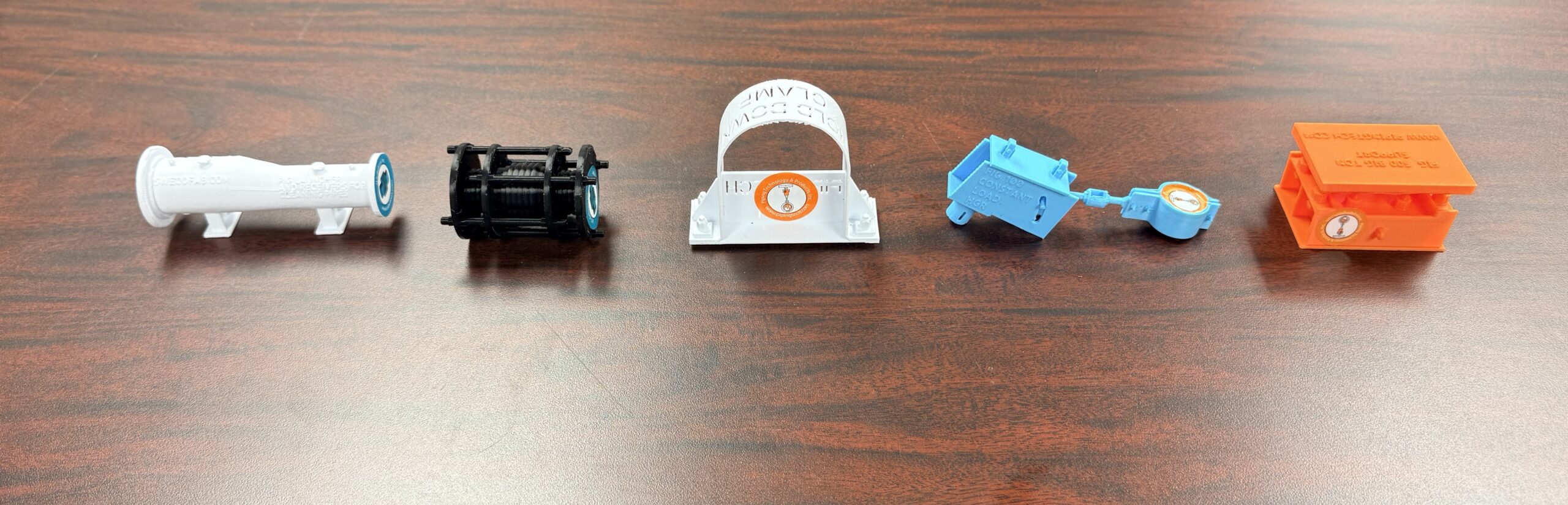
Are you looking for mini Christmas Tree ornaments? We’ve got you covered here at PT&P! Imagine your tree adorned with miniature spring supports, pipe shoes, expansion joints, snubbers, and pipe hangers.

Collectible 3D Models Make Perfect Stocking Stuffers (and Ornaments!)

3D Models from Piping Technology and Products

Want to get in on the miniature pipe support and expansion joint 3D model fun? Order your own free 3D models.

Read More

Connect, Learn and Innovate: The Value of SNUG for Snubber Users and Fronek Anchor Darling Customers

November 13, 2025

SNUG Snubber User Group

For engineers, operators, and maintenance professionals managing critical piping systems, few industry events offer the focused value of the Snubber User Group (SNUG) conference. As a dedicated provider of high-quality shock control devices, Fronek Anchor Darling recognizes the essential role SNUG plays in advancing industry knowledge and best practices.

Here is why attending the next SNUG conference is a crucial investment for anyone relying on snubbers—especially those using Fronek Anchor Darling’s innovative hydraulic technology.

What is the Snubber User Group (SNUG)?

The Snubber User Group (SNUG) is a vital, independent forum dedicated to the discussion, operation, maintenance, and technical aspects of snubbers. These critical components, such as the high-performance hydraulic and mechanical snubbers manufactured by Fronek Anchor Darling, protect piping systems from sudden, high-force events like water hammer and steam hammer, as well as seismic activity, while allowing for slow, normal thermal expansion.

SNUG provides a unique platform for end-users, primarily those in nuclear, fossil power, and petrochemical plants, to share real-world experiences, challenges, and solutions related to snubber technology and programs.

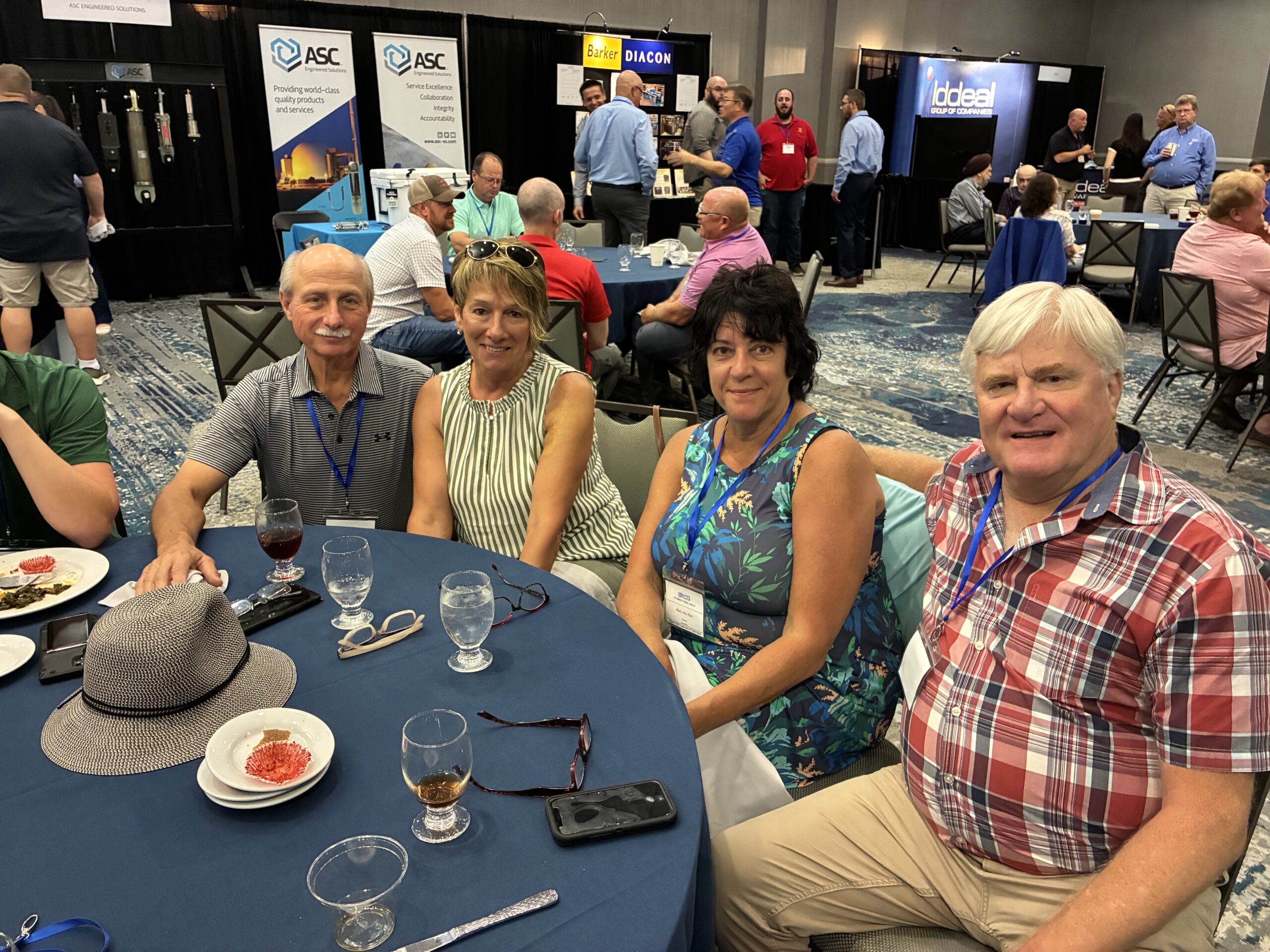
Fronek Anchor Darling Team at SNUG

 Why SNUG is Essential for Snubber Professionals

SNUG offers benefits that directly translate into operational excellence and cost savings for your plant.

1. Real-World Case Studies and Best Practices

The focus of SNUG is the peer-to-peer exchange. Attendees present their successful solutions and lessons learned on topics such as:

  • In-Service Inspection (ISI) Program Optimization: Learn how to streamline testing, minimize false failures, and comply with regulatory requirements more efficiently.
  • Troubleshooting Snubber Failures: Hear directly from peers about standard failure modes and effective repair or replacement strategies.
  • Snubber Program Management: Discover best-in-class methods for documentation, inventory control, and outage planning.

2. Direct Engagement with Industry Experts

SNUG is where end-users, consultants, and manufacturers meet. This environment is perfect for:

  • Technical Problem-Solving: Get one-on-one time with technical experts to discuss specific site challenges, design issues, or difficult-to-inspect snubbers.
  • Understanding Regulatory Changes: Stay ahead of evolving ASME and NRC guidelines that directly impact your snubber program.

3. Shaping the Future of Snubber Technology

User feedback drives innovation. By participating in SNUG, you contribute to the collective knowledge that helps manufacturers, including Fronek Anchor Darling, continually improve snubber design and supporting services.

Plan Your Attendance, and Learn During Valuable Conference Sessions

Planning Detail SNUG Summer 2026 Conference & Trade Show
Event Focus Snubber program administration, licensing, code compliance, and hands-on field work, featuring a dedicated Trade Show with vendors (including Fronek Anchor Darling).
Dates July 13, 14 & 15, 2026 (Monday to Wednesday)
Location Indianapolis, Indiana
Hotel/Venue To be determined. Hotel information, location, and a room reservation link will be updated on the SNUG website.
Registration Check the official SNUG website for updated registration links.
Attendee Cost Free for Member Utility Representatives. Nonmember utilities may attend up to two conferences as guests.

Fronek Anchor Darling: Your Trusted Partner in Shock Control

Fronek Anchor/Darling Snubbers

Fronek Anchor Darling, a Piping Technology & Products company,  has a long history of designing and manufacturing durable hydraulic and mechanical snubbers for the most demanding applications, including nuclear and traditional power generation.

Our commitment to quality ensures that our snubbers, such as the widely trusted Fig. 510AD/511AD Hydraulic Snubber and the DynA/Damp Mechanical Snubber, provide reliable pipe restraint when it matters most. Learn more about our hydraulic snubbers guide.

“At Fronek, we see SNUG as an invaluable partner in our mission. By listening to the feedback and challenges shared at the conference, we ensure our snubber technology and field services remain aligned with the real-world needs of our customers.” 

Scott Hart, General Manager

Suppose you operate or maintain Fronek Anchor Darling snubbers. In that case, SNUG is the perfect venue to deepen your expertise in our specific products, helping you prolong service life and deliver the best performance.

The knowledge gained at SNUG directly contributes to improved plant safety, regulatory compliance, and reduced maintenance costs. It is the single most valuable event for snubber professionals seeking to elevate their program’s effectiveness.

Stay informed on the dates and location for the next SNUBBER USER GROUP (SNUG) CONFERENCE 2026  to secure your spot and start planning your educational and networking opportunities.

Read More

7 Critical Questions to Ask Your Pipe Stress Engineer

November 12, 2025

Caepipe Pipe stress analysis

The Role of Pipe Stress Analysis in Industrial Design

Pipe stress analysis is a crucial step in the design and engineering of piping systems. Working with a pipe stress engineer ensures your piping operates safely and reliably under various conditions, including temperature changes, pressure variations, and external loads such as wind or seismic activity. Skipping or poorly executing this analysis can lead to failures, costly downtime, and safety hazards.

This blog post outlines the seven most critical questions you should ask your pipe stress engineer to guarantee the safety of your industrial piping project.

The 7 Critical Questions

Asking the right questions upfront will set the stage for a successful project, ensuring all potential issues are addressed before construction begins.

1. What are the governing design codes and standards for this project?

The engineer should confirm which industry codes (e.g., ASME B31.1, ASME B31.3, etc.) and project-specific standards they are using. This ensures compliance with legal and safety requirements. Different codes have different allowable stress limits, minimum wall thicknesses, and testing procedures.

2. What are the most critical load cases being analyzed?

A comprehensive analysis must consider various scenarios. Critical load cases typically include:

  • Sustained Loads (Weight): The weight of the pipe, fluid, and insulation.
  • Expansion Loads (Thermal): Stress induced by temperature changes from operating conditions.
  • Occasional Loads: Forces from wind, seismic events, or relief valve thrust.

3. Where are the highest stress areas identified, and what is the proposed mitigation?

Stress concentration points often occur near equipment nozzles, branch connections, or elbows. The engineer must clearly identify these hotspots and provide specific solutions, such as adding pipe shoes, guides, anchors, or using different types of expansion joints or spring supports.

4. How are nozzle loads on connected equipment being managed?

Piping forces and moments transferred to sensitive equipment (like pumps, turbines, and vessels) must fall within the manufacturer’s allowable limits. This question confirms the engineer is not just satisfying pipe stress criteria but also protecting expensive machinery.

5. What software is being used, and is the input data validated?

The industry standard for complex analysis is often software like CAESAR II or AutoPIPE. The engineer should confirm the software and, more importantly, explain their process for validating the input data (temperatures, pressures, material properties, support stiffness) to ensure the model accurately reflects the real-world system.

6. Have you considered all transient/non-static conditions (e.g., water hammer)?

While most analyses focus on static operating conditions, transient events like water hammer (surge pressure) or slug flow can generate immense, short-lived forces. Ask whether these dynamic loads have been analyzed and whether special design considerations have been implemented to protect the system.

7. What is the final support recommendation, and why?

The supporting system is the backbone of pipe stress management. The engineer should provide a detailed support plan justifying the type, location, and size of every pipe support, anchor, and restraint based on the stress analysis results.

 Why Choose Piping Technology and Products?

Piping Technology and Products (PT&P) doesn’t just help your teams manage pipe stress; we integrate world-class stress analysis expertise with our in-house manufacturing of custom and standard pipe supports, expansion joints, and snubbers. This unique, end-to-end approach means our stress engineers design solutions that are not only compliant and safe but also built and delivered efficiently, and within your budget.

Get Started with a Comprehensive Pipe Stress Analysis

Don’t leave your project’s safety and budget to chance. An expert pipe stress analysis is an investment that prevents future failures.

Contact Piping Technology and Products today to connect with a certified pipe stress engineer and secure the structural integrity of your next project!


Read More

Defining a Pipe Riser Clamp: The Backbone of Vertical Piping Systems

November 11, 2025

Piping Technology and Products, through its subsidiary Pipe Shields, makes riser support solutions that eliminate pipe wear.

In industrial plants and piping infrastructure, pipes don’t just run horizontally; they frequently run straight up. This crucial vertical run of piping is known as a riser.

A  pipe riser is simply any vertical pipe that conveys fluid, whether it’s water, steam, chemicals, or condensate, from a lower level to a higher level within a multi-story structure or an extensive piping network. Risers are essential components in various systems, acting as the primary distribution column.

Function and Significance in Vertical Distribution

Risers serve as the backbone of any vertical fluid distribution system. Their primary functions and significance are:

System Role Function and Significance
Vertical Distribution The core purpose is to move media (fluids, gases, slurries) against gravity from a central supply point (such as a boiler or pump room) to different floors or levels within a facility.
Pressure Management They manage the significant pressure change caused by elevation (static head). Risers must be robustly designed to handle the weight of the fluid column and the forces associated with pumping and vertical movement.
Thermal Expansion Because risers are often very long and experience significant temperature changes (especially in steam or hot-water systems), they undergo substantial thermal expansion and contraction along their vertical axis. Components must be engineered to account for this vertical movement.
Support and Stability A single long riser carries the weight of the pipe, the fluid inside, and, sometimes, the insulation. It requires specialized guides and support components on each floor to maintain stability, prevent sway, and distribute loads safely throughout the building structure.

In short, a piping system cannot effectively operate without its risers. They are the arteries that supply HVAC, fire suppression, potable water, and process utilities to every level of a structure.

The Challenge: Stress, Sway, and Structural Integrity

The sheer length, weight, and movement of industrial and commercial risers present several engineering challenges:

  1. Axial Movement: The lengthening and shortening due to temperature changes must be absorbed, often requiring expansion joints (as discussed in a previous article) and guided supports.
  2. Pressure Thrust: Internal pressure generates powerful forces that must be restrained to prevent the pipe from tearing loose.
  3. Lateral Stability: Risers must be protected from swaying, vibrating, or being pushed off-center, which could lead to rubbing, wear, and eventual failure at penetration points (where the pipe passes through the floor slab).

Advanced Riser Support and Vertical Movement Management with Piping Technology and Products 

Managing the complexity of vertical movement and support is where specialized pipe support systems become vital. A riser’s longevity depends entirely on how well it is supported, guided, and isolated from the building structure.

Piping Technology and Products (PT&P) delivers custom-engineered riser support solutions that eliminate pipe wear, control lateral movement, and safely distribute vertical loads. Our components simplify installation and protect your critical riser investments from the ground up, ensuring that when a riser moves vertically due to thermal expansion, it slides smoothly without damaging the pipe coating or compromising the structural integrity of the fire barrier and floor slab.

Secure Your Vertical Backbone

The riser is a key part of your infrastructure. Ensuring its reliability helps you to maintain operational uptime and safety. Don’t compromise the backbone of your vertical systems with inadequate support.

Are you ready to protect your risers from premature wear and structural damage? Contact Piping Technology today for engineered support solutions that boost safety and reliability. Download our catalog here.

Read More

How Cold Shoes Elevate Performance in Refineries, Power, and Chemical Plants

November 11, 2025

Cryogenic pipe supports from Piping Technology and Products.

Cryogenic processes, those operating at extremely low temperatures, often below −150∘C, are vital across the energy and chemical sectors. From liquified natural gas (LNG) to specialized chemical synthesis, maintaining temperature control is non-negotiable. This is where cryogenic pipe supports, often called “cold shoes,” become indispensable, offering significant value by preventing thermal damage, boosting energy efficiency, and ensuring operational safety in your most critical facilities.

What is a Cryogenic Cold Shoe?

A cold shoe is a specialized, pre-insulated pipe support for cryogenic systems. It uses a non-conductive, high-density insulating material (like HD-PUF or a composite) enclosed by a protective outer shell (metal or fiber-reinforced polymer), distinguishing it from standard metal supports.

Its core function is to create a thermal break between the ultra-cold pipe and the ambient-temperature supporting structure (like steel I-beams). This simple design feature is key to preventing a host of costly and dangerous issues in high-stakes environments such as refineries, power plants, and chemical processing facilities.

Piping Technology helps boost safety and system lifespan in power plants and chemical refineries.

Value-Added Benefits of Cryogenic Cold Shoes

The successful operation of a cryogenic system hinges on minimizing unwanted heat transfer, which directly impacts safety, longevity, and cost-efficiency. Cold shoes address these challenges head-on, delivering substantial value across the board:

1. Enhanced Energy Efficiency and Cost Savings

  • Minimized Heat Ingress: The primary goal of any cryogenic system is to conserve “cold.” Cold shoes significantly reduce heat leakage (heat ingress) from the environment into the cold fluid (e.g., LNG or liquid oxygen). By maintaining the designed low temperature with minimal effort, the system’s refrigeration equipment operates less frequently, drastically reducing power consumption and operating costs.
  • Reduced Product Loss (Boil-Off): For liquefied gases like LNG, heat ingress causes “boil-off,” where the liquid vaporizes prematurely. Efficient cold shoes limit this vaporization, preserving the valuable product and ensuring it reaches its destination or the following process stage in the intended state.

2. Protection of Pipe Integrity and Structural Safety

  • Prevention of Pipe Damage: Extreme temperature differences cause the pipe material to thermally contract. This contraction generates enormous stress, which can lead to pipe fatigue, cracking, or insulation damage. Cold shoes are engineered to absorb these forces and safely accommodate pipe movement, preserving the structural integrity of the entire piping system.
  • Mitigation of Ice Formation: Without a proper thermal break, the structural steel supporting the pipe can cool to cryogenic temperatures, leading to external condensation and hazardous ice formation. This ice buildup adds unexpected weight, stresses the support structure, and can corrode steel components. Cold shoes prevent this dangerous phenomenon.
  • Protection of Insulation: The rigid foam core of the cold shoe not only insulates but also protects the adjacent, more fragile line insulation from being crushed by the enormous weight and dynamic loads of the pipe and its contents.

3. Operational Reliability and Reduced Downtime

  • Simplified, Faster Installation: Modern, engineered cold shoes, especially those designed with rapid-installation features, are often quicker and easier to fit than traditional, field-fabricated supports. This translates to reduced project timelines during construction and maintenance shutdowns.
  • Longer Service Life: By effectively managing thermal stress, preventing corrosion, and protecting the primary insulation, high-quality cryogenic supports extend the overall lifespan of the piping system, leading to fewer emergency repairs and less unplanned downtime.

Industry Applications Where Cold Shoes Shine

Industry Primary Cryogenic Media

Key Value Contribution

Refineries & Petrochemical LNG, Ethylene, Propylene, Liquid Nitrogen/Oxygen Minimizes boil-off losses; ensures safe handling of volatile, low-temp hydrocarbons; protects critical pipelines.
Power Generation Liquid Oxygen (for integrated gasification), Hydrogen (future fuel) Maintains efficiency in air separation units (ASUs); supports new, highly efficient power cycles utilizing cryo-fuels.
Chemical Processing Ammonia, Specialty Solvents, Liquid Carbon Dioxide Guarantees precise temperature control for efficient chemical reactions and separation processes; prevents system failure from thermal shock.

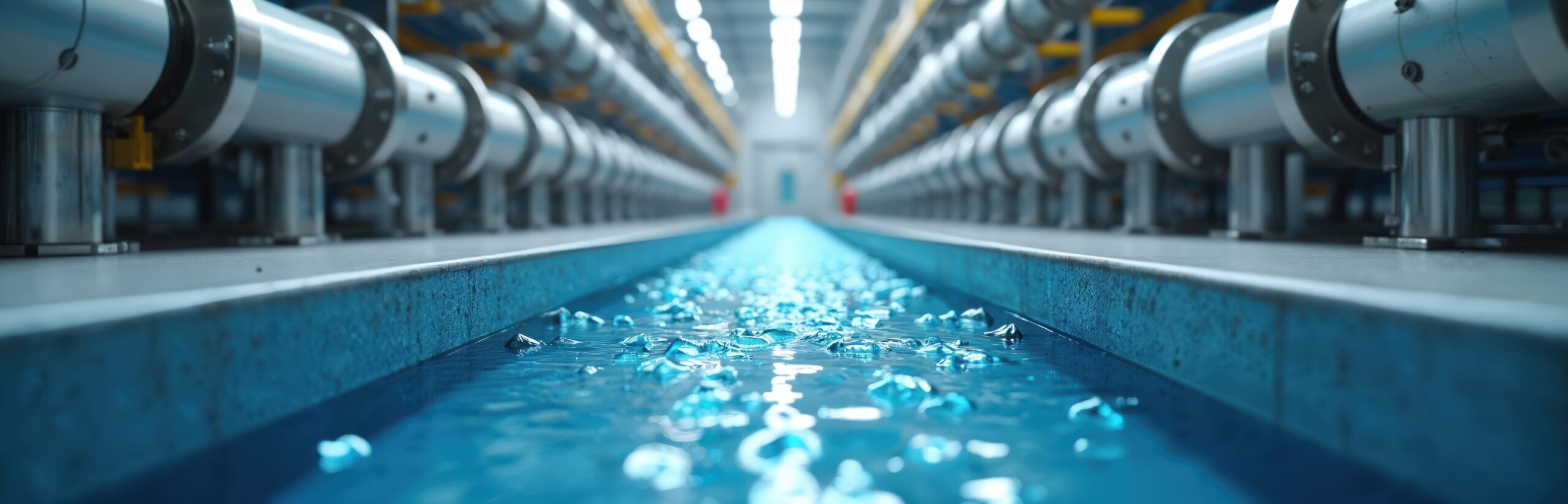
Industrial water splitting system produces hydrogen and oxygen. metal pipes and tanks form part of clean energy production process. blue liquid flows through channel for future power generation.

Achieve Cryogenic Performance and Safety with PT&P

Don’t let inadequate pipe supports compromise your multimillion-dollar cryogenic assets. The cost of a system failure, from product loss and energy waste to plant downtime, far outweighs the investment in properly engineered cold shoes.

Piping Technology and Products delivers fully engineered, customized cryogenic supports tailored to your exact load, temperature, and material specifications. We provide the expertise and proven product quality to protect your pipeline and your bottom line.

For over 45 years, we have specialized in custom-designed, pre-insulated cryogenic cold shoes that eliminate thermal risk and maximize energy efficiency, helping critical infrastructure in the power, chemical, and refining industries operate safely without compromise.

Contact Piping Technology and Products today for a custom engineering quote on cryogenic cold shoes to protect your critical processing systems.

Read More

How Pipe Supports Safeguard Power Infrastructure

November 7, 2025

Adjustable pipe supports help protect power infrastructure.

In power generation, every component plays a critical role in maintaining operational efficiency and safety. Among these, adjustable pipe supports often operate out of sight but are fundamental to the integrity of the entire plant. From the superheated steam lines of a fossil fuel plant to the intricate cooling systems of a nuclear facility, piping networks transport immense pressures and extreme temperatures. Without proper support, these forces would lead to catastrophic failures, leaks, and expensive downtime. Adjustable pipe supports are specifically designed to manage dynamic loads, thermal expansion, and seismic activity associated with power plant operations, ensuring that critical piping remains precisely aligned and stress-free.

The Dynamic Environment of Power Generation

Power plants are environments of extremes. Pipes can experience:

  • Intense Thermal Expansion and Contraction: As fluids (steam, water, gas) heat up and cool down, pipes expand and contract significantly. Fixed supports would either be torn apart or create dangerous stress points on the piping.
  • High Pressures and Loads: The sheer weight of thick-walled pipes, combined with the pressure and weight of the fluid they carry, creates substantial static and dynamic loads.
  • Vibration and Oscillation: Turbines, pumps, and other rotating equipment generate vibrations that can propagate through piping, leading to fatigue if not correctly managed.
  • Seismic Activity: In many regions, power plants must be designed to withstand earthquakes, requiring supports that can absorb shock and prevent uncontrolled movement.

Adjustable pipe supports are engineered to counteract these forces. They allow for controlled movement in specific directions while restraining others, distributing weight evenly, and preventing undue stress on welds, flanges, and sensitive equipment.

Types of Adjustable Supports and Their Applications

Piping Technology and Products produces custom variable spring supports.

  • Variable Spring Hangers/Supports: Ideal for situations where vertical movement due to thermal expansion is significant, but the load also changes slightly. They “give” a little, allowing for movement while still providing continuous support.
  • Constant Spring Hangers/Supports: Critical for highly sensitive applications where the pipe’s vertical movement is extensive, but the load on the pipe support must remain constant throughout that movement range. This prevents overstressing critical equipment, such as turbines or boilers.
  • Rigid Hangers/Supports (with Adjustability): While appearing rigid, these often incorporate adjustment mechanisms to ensure precise initial alignment and accommodate minor shifts over time. They are crucial for maintaining fixed positions or guiding movement.
  • Snubbers (Hydraulic/Mechanical): These devices act as shock absorbers, allowing slow, normal thermal movement but locking instantly to prevent rapid movement caused by seismic events, water hammer, or turbine trips.
  • Custom-Engineered Solutions: Often, standard supports aren’t enough. The power industry frequently requires custom designs for unique load requirements, complex geometries, or highly corrosive environments.
  • Adjustable Pipe Supports: These supports enable precise alignment during installation and operation, accommodate slight variations, and prevent undue stress on piping components. This adaptability helps manage the extreme forces from thermal expansion and dynamic loads.

The PT&P Advantage: Precision Engineering for the Best Performance

For power plant managers, engineers, and maintenance teams, the stakes are incredibly high. Downtime is measured in millions of dollars, and safety comes first. This is where Piping Technology and Products (PT&P) comes in: with solutions that deliver critical asset protection for the power industry.

With decades of specialized expertise in high-stress environments, our adjustable pipe supports are designed not only to meet but to exceed the rigorous demands of your power plant.

PT&P’s commitment to quality ensures that every adjustable pipe support—whether a standard component or a custom-fabricated solution—is built for extreme durability and precise performance. This means:

  • Reduced Stress on Piping & Equipment: Preventing leaks, premature wear, and costly repairs.
  • Enhanced Safety: Reducing risks of catastrophic failure and ensuring compliance with stringent industry regulations.
  • More Uptime: Reliable supports contribute directly to consistent plant operation and electricity generation.
  • Extended Asset Lifespan: Protecting your significant investment in piping infrastructure and critical machinery.

Improve Your Plant’s Stability and Safety

Discover how PT&P’s engineered adjustable pipe supports can optimize your infrastructure for better performance and system lifespan. Contact our Field Services team today for a custom assessment!

Read More
Top
Promo
Promo-Mural